Oral Surgery in San Jose, CA
Reviewed by Dr. Douglas R. Maxson, DDS • Updated October 2026
Oral surgery includes any procedure on the teeth, gums, or jawbone that goes beyond a routine filling or cleaning, from removing a damaged tooth to rebuilding bone for a future implant. At Calm Dental Care in San Jose, Dr. Douglas R. Maxson provides extractions, wisdom tooth removal, bone grafting, sinus lifts, implant placement, gum surgery, apicoectomies, laser tissue care, and biopsies in one office, with sedation available.
Oral surgery at a glance
- Procedures
- extractions, wisdom teeth, bone grafts, sinus lifts, dental implants, gum grafts and periodontal surgery, apicoectomy, laser tissue reshaping, biopsies
- Planning
- 3D cone beam (CBCT) imaging for precise, predictable surgery
- Comfort
- local anesthesia, plus nitrous oxide, oral, or IV sedation
- Where
- one office, one doctor, from consultation to final healing
Surgery without the runaround
Many patients are sent from their dentist to one specialist for an extraction, another for a bone graft, and back again for the implant crown. Because Dr. Maxson performs these procedures in-house, you won't be shuttled between offices. One doctor plans your treatment, performs the surgery, and follows your healing, using 3D CBCT imaging to see the bone, nerves, and sinuses before treatment begins.
Our oral surgery services
Tooth extractions
When a tooth is too broken, infected, or loose to save, a gentle extraction relieves pain and protects the teeth around it. We'll also talk through what comes next, so you're never left with a gap and no plan. Learn about extractions →
Wisdom teeth removal
Impacted or partially erupted wisdom teeth can cause swelling, infection, and crowding. Dr. Maxson evaluates their position on a 3D scan and removes them comfortably, with sedation if you prefer. Learn about wisdom teeth removal →
Bone grafting
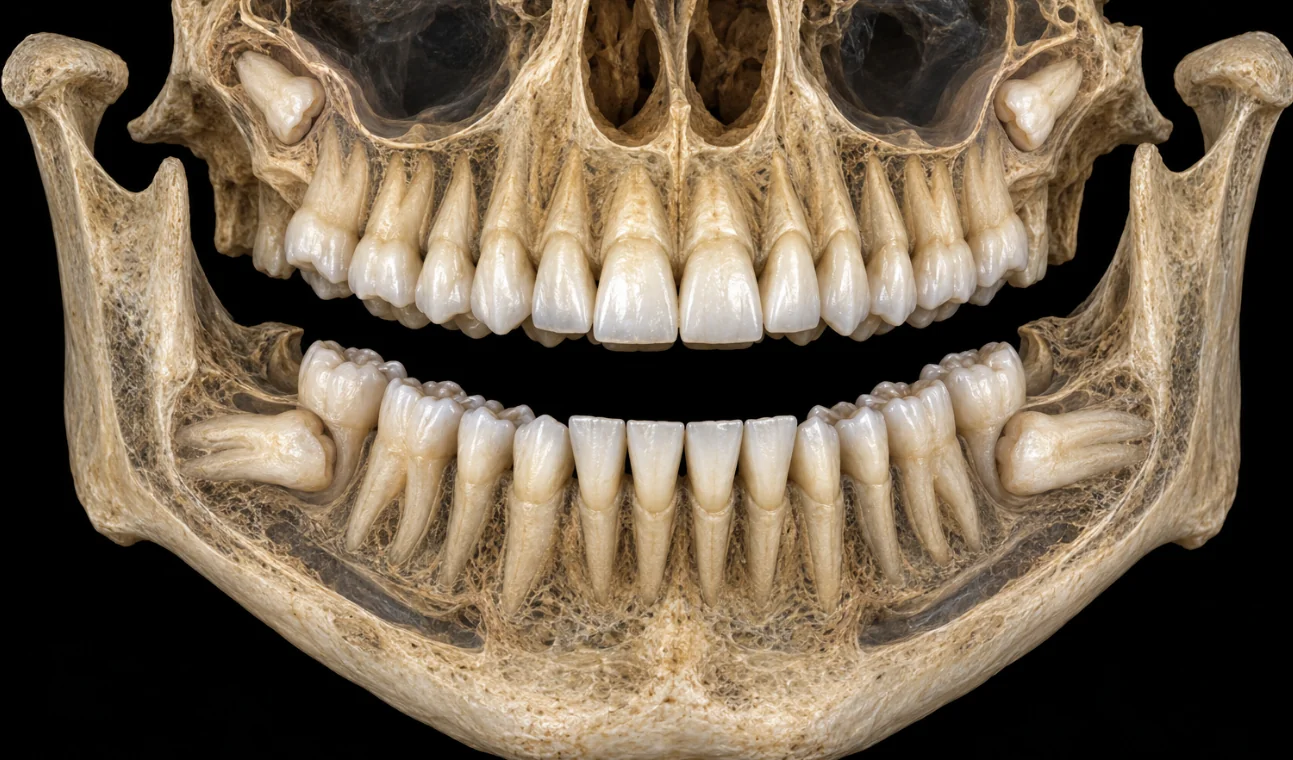
After a tooth is lost, the jawbone begins to shrink. Placing graft material at the time of extraction, or later, rebuilds the bone so an implant has a solid foundation. Learn about bone grafting →
Sinus lifts
Upper back teeth sit close to the sinus. A sinus lift gently raises the sinus floor and adds bone so implants can be placed safely in the upper jaw. Learn about sinus lifts →
Dental implant placement
Dr. Maxson both places and restores dental implants, so the surgery and the final tooth are planned together from the start. Learn about dental implants →
Periodontal surgery and gum grafts
When gums have receded or gum disease has left deep pockets, surgical treatment can protect the roots and help the teeth stay healthy. Dr. Maxson performs gum grafts himself, covering exposed roots to reduce sensitivity and restore a more even gum line. Learn about periodontal therapy →
Laser tissue reshaping
Sometimes extra gum tissue gets in the way. A flap of swollen gum over a partly erupted back molar can trap food and become sore, and decay that extends below the gum line can be hard to reach. Dr. Maxson uses a soft tissue laser to gently trim the tissue back, making the area easier to clean or giving clear access to treat the tooth. Laser treatment typically means less bleeding and a more comfortable recovery.

Apicoectomy (root-end surgery)
Most root canal treatments heal well, but occasionally infection lingers at the tip of the root and the tooth stays sore or a small bump keeps returning on the gum. When repeating the root canal isn't the best option, an apicoectomy can still save the tooth. Working through the gum, Dr. Maxson removes the infected tissue and the very tip of the root, then seals the root end so the area can heal. It's usually done under local anesthesia in about an hour. Learn about root canal therapy →

Oral biopsies
If we find a sore, lump, or patch in the mouth that doesn't heal, a small biopsy lets a laboratory examine the tissue. Most biopsies take only a few minutes under local anesthesia, and we'll go over the results with you when they come back.
Comfort comes first
Oral surgery sounds intimidating, but most procedures are more comfortable than patients expect. Every procedure begins with thorough local anesthesia. For anxious patients or longer procedures, we offer nitrous oxide, oral sedation, and IV sedation. With IV sedation, most patients feel deeply relaxed and remember little or nothing of the procedure. Dr. Maxson's anesthesia training began during his U.S. Air Force residency, and every sedated patient is monitored throughout treatment. Learn about sedation dentistry →
What does recovery look like?
Most patients return to normal activities within a day or two after a simple procedure, and within a few days after surgical extractions or grafting. You'll leave with written instructions, any needed prescriptions, and a direct number to call. After-hours calls for true emergencies are forwarded to Dr. Maxson.
Why choose Dr. Maxson for oral surgery?
Dr. Maxson has practiced dentistry in San Jose for more than 40 years and has placed and restored dental implants for more than 35. He has completed more than 5,000 hours of postgraduate education, taught implant surgery to other dentists, and plans every surgery with 3D imaging in our office. Patients come to us at 1198 S. De Anza Blvd. from West San Jose, Cupertino, Campbell, Santa Clara, and Sunnyvale. Meet Dr. Maxson →
Frequently asked questions about oral surgery
Will I be asleep during oral surgery?
With IV sedation, most patients are deeply relaxed and remember little of the procedure, though you can still breathe on your own and respond. Many shorter procedures need only local anesthesia, with or without nitrous oxide.
Does oral surgery hurt?
The area is fully numbed before treatment, so you should feel pressure but not pain. Afterward, most discomfort is managed with over-the-counter or prescribed pain relievers for a few days.
Can I drive home after surgery?
If you have oral or IV sedation, you'll need a responsible adult to drive you home. With local anesthesia alone, or nitrous oxide, most patients can drive themselves.
Can a tooth be removed and an implant placed the same day?
Sometimes. When the bone and gums are healthy, an implant can be placed right after an extraction. Your 3D scan shows whether this is a good option for you.
Will I need to see a specialist?
Rarely. Dr. Maxson performs nearly all surgical care in our office, from extractions and grafting to implant placement and gum grafts. In the uncommon case where a specialist would serve you better, he'll tell you plainly and coordinate the referral.
Does dental insurance cover oral surgery?
Many plans cover part of extractions, biopsies, and treatment of gum disease; coverage for grafts and implants varies. We'll review your benefits and give you a written estimate before treatment. See our financial policies →
Questions before you decide?
Call us at (408) 996-0176. We're happy to talk it through before you ever sit in the chair, or you can request an appointment online.