What Are Clear Aligners?
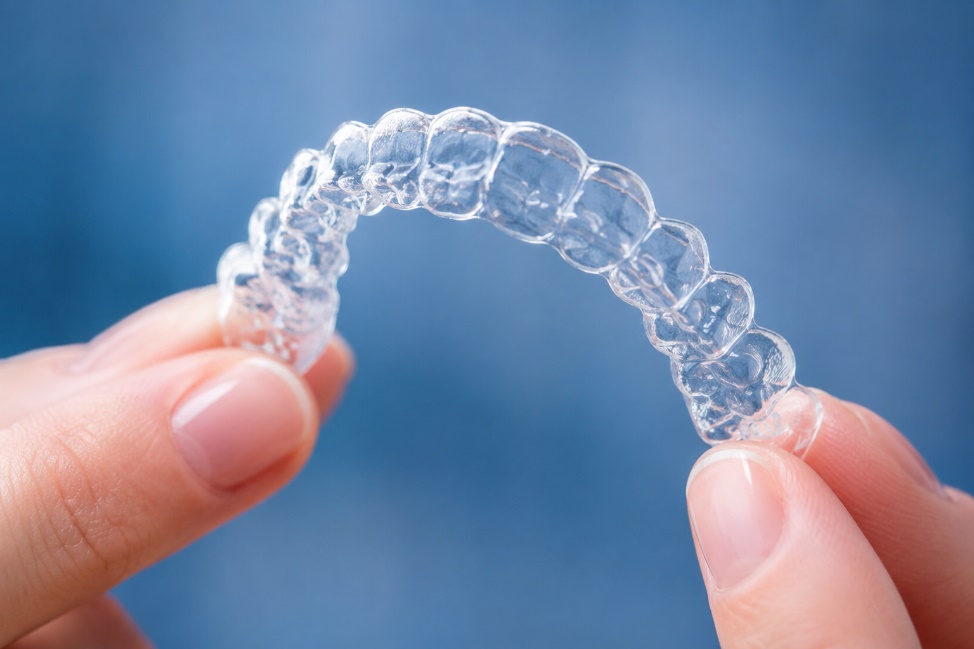
Clear aligners are thin, custom-made trays designed to fit closely over your teeth. Each set is slightly different from the one before it. Worn in sequence, the trays apply gentle, planned pressure that moves selected teeth a little at a time, following a digital treatment plan your dentist designs and supervises.
The trays are removable, which is one of their biggest advantages — and their biggest responsibility. You take them out to eat, to drink anything other than water, and to brush and floss. Because they only work while they are in your mouth, results depend heavily on wearing them about 20 to 22 hours a day. Most patients change to the next set every one to two weeks, though your schedule may differ.
Invisalign, ClearCorrect, and ProMonitoring — Dentist-Supervised Treatment
Invisalign® is the best-known clear-aligner system, but it is not the only one. ClearCorrect®, ProMonitoring®, and other dentist-directed systems use the same core principles: digital records, staged tooth movement, a sequence of custom trays, and professional monitoring throughout.
The brand matters less than the plan behind it. An aligner tray cannot diagnose a bite, check your gums, catch a cavity, or decide whether a planned movement is biologically safe. Dr. Maxson reviews your complete oral-health picture and confirms that aligners are appropriate before treatment begins — and stays involved if your teeth do not move exactly as the software predicted.
What Can Clear Aligners Fix?
- Mild to moderate crowding
- Spaces and gaps between teeth
- Selected tooth rotations
- Teeth that shifted after previous braces
- Certain overbites, underbites, crossbites, and open bites
- Alignment before veneers, crowns, implants, or other restorative care
Modern aligners can treat more than they could years ago, but they are not ideal for every problem. Severe rotations, large jaw discrepancies, impacted teeth, or movements that need very precise control may be better handled with braces or specialist care. A good consultation answers an honest question — not “Can aligners move something?” but “Are aligners the most predictable choice for this particular patient?”
The Benefits of Clear Aligners
- Nearly invisible trays that are hard to notice in normal conversation
- Removable for meals, important events, brushing, and flossing
- No brackets or wires to irritate the cheeks and lips
- No list of off-limits foods, because you remove the trays to eat
- Digital planning that helps you picture the intended sequence of movement
- Potentially fewer routine office visits when remote monitoring is appropriate
Aligners can be especially appealing for working professionals, college students, parents, public-facing employees, and anyone who wants orthodontic treatment without making it the first thing others notice.
What Is ProMonitoring?
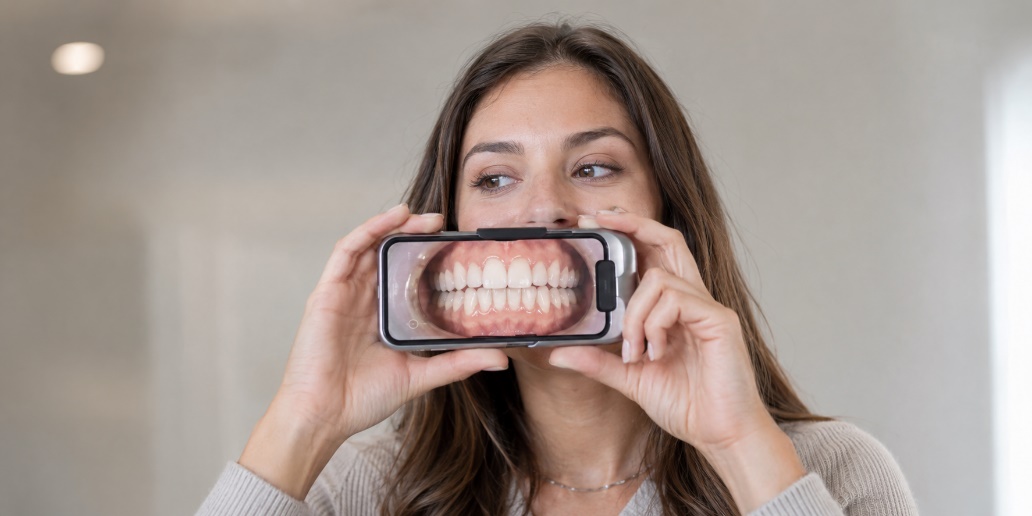
ProMonitoring is an orthodontic technology that lets Dr. Maxson and his team review your progress remotely between office visits. Using a smartphone app and a guided imaging device called the ScanBox Pro, you take consistent photos of your teeth and aligners from home. The platform flags possible concerns such as poor tray fit, tracking problems, hygiene issues, or inconsistent wear. The dental team reviews what it sees, gives you timely guidance, and schedules an in-office visit whenever a closer look is needed.
Because progress can be checked more often, small issues can often be caught before they cause delays. In appropriate cases, and after a clinical evaluation, this added oversight may reduce the number of routine in-person appointments.
For more about the technology, see promonitoring.ai.
How Clear Aligner Treatment Works
1. Consultation and Oral-Health Evaluation
Dr. Maxson examines your teeth, gums, bite, jaw relationships, and existing dental work. Active decay or gum inflammation is addressed before tooth movement begins.
2. Digital Scanning and Records
A digital scanner captures a 3D model of your teeth — in most cases without messy putty impressions. Photographs and, when clinically necessary, 3D cone-beam imaging add detail for planning.
3. Customized Treatment Plan
Your records are used to map the planned stages of movement. Dr. Maxson reviews the proposed setup and makes the clinical calls about attachments, creating space, correcting the bite, and sequencing.
4. Aligner Delivery
When your trays are ready, the team checks their fit and explains how to insert, remove, clean, and wear them, plus when to switch sets. Small tooth-colored attachments may be placed on some teeth to help the trays grip and guide movement.
5. Progress Monitoring
Progress is tracked through in-office visits and, for suitable cases, ProMonitoring submissions. If a tray is not seating properly, the schedule can be paused, extended, or adjusted rather than pushing blindly to the next aligner.
6. Refinement and Retention
Some patients need a few extra aligners near the end to fine-tune the result. Once active treatment is complete, retainers help keep your teeth from drifting back.
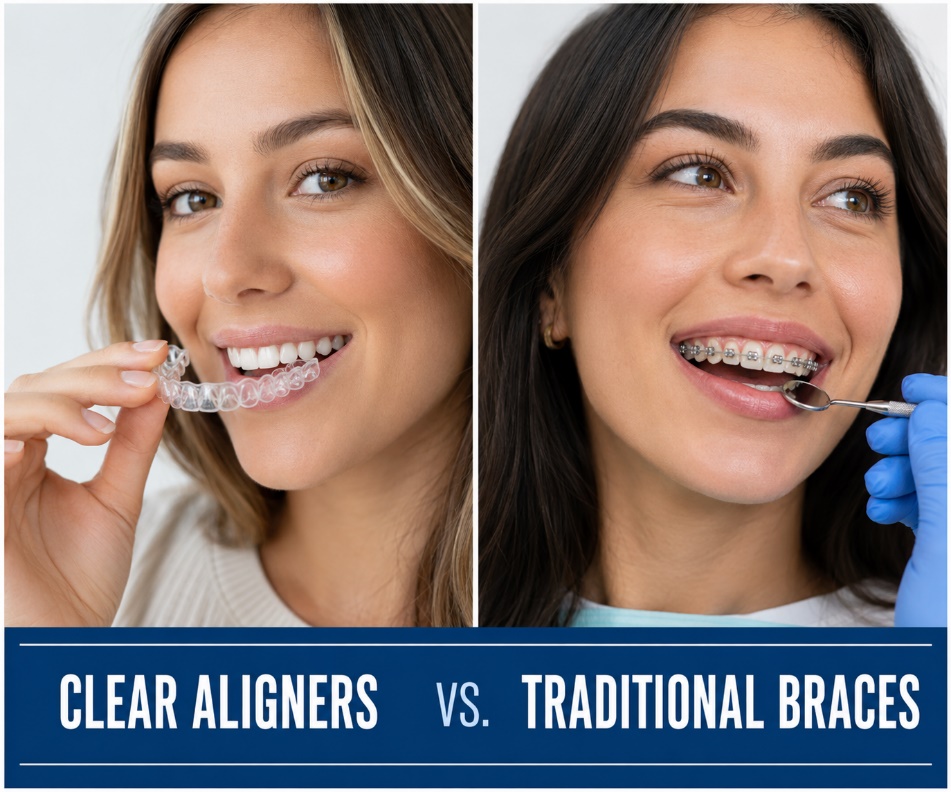
Clear Aligners vs. Braces
| Feature | Clear Aligners | Braces |
|---|---|---|
| Visibility | Nearly invisible | Metal visible; ceramic less noticeable |
| Removable | Yes | No |
| Food restrictions | None when removed | Avoid hard, sticky, chewy foods |
| Cleaning | Brush and floss normally | Clean around brackets and wires |
| Compliance | Must be worn 20–22 hrs daily | Works continuously |
| Complex movement | Case selection matters | Broad control for complex cases |
| Typical emergency | Lost or damaged tray | Loose bracket or poking wire |
Want to compare fixed braces? See our metal and clear braces in San Jose page, or learn how metal and clear braces work.
Invisalign for Teens
Clear aligners can work well for responsible teenagers who want a discreet option for school, sports, music, photos, and social events. Teen aligners may include wear indicators that help the patient, parent, and dental team see whether the trays are being worn enough.
The key word is responsibility. Aligners only work while they are in the mouth. A teen who often loses trays, leaves them out during school, or forgets to replace them after meals may do better with braces. A candid conversation about habits is more useful than choosing a treatment just because it looks better.
Clear Aligners for Adults
Adults often choose aligners because treatment is less visible and easier to fit into professional life. Trays can be removed briefly for meals, important meetings, photos, or special events — though frequent removal will slow progress.
Aligners can also be part of a larger dental plan. Moving teeth first may create better spacing for an implant, reduce how much tooth reduction a veneer needs, or improve the gumline before cosmetic treatment. Receiving care in a comprehensive dental practice means your tooth movement is planned alongside the rest of your oral health.
How Long Does Clear Aligner Treatment Take?
Many cases take about 12 to 18 months. Limited corrections may take six months or less, and complex treatment can take longer. Timing depends on the amount and type of movement, how consistently you wear the trays, how your body responds, and whether refinements are needed.
Be cautious about ads promising a new smile in a fixed number of months without an exam. A fast result is not a bargain if the bite is left unstable or a health concern is missed.
Does Invisalign Hurt?
Most patients feel pressure or tightness for a day or two after switching to a new set. That is a sign the aligner is doing its job — but treatment should not involve severe or lasting pain. A rough edge can usually be smoothed, and a tray that will not seat properly should be checked rather than forced.
Eating, Drinking, and Cleaning Your Aligners
- Remove aligners before eating.
- Drink plain water while wearing them; take them out for coffee, tea, soda, juice, wine, or sports drinks.
- Brush before reinserting trays whenever possible.
- Rinse aligners with cool or lukewarm water — hot water can warp the plastic.
- Use the cleaning method the office recommends; abrasive toothpaste can scratch the trays.
- Store trays in their case, not wrapped in a napkin where they are easily thrown away.
What Does Clear Aligner Treatment Cost in San Jose?
The anticipated fee range for clear aligner treatment is typically between $3,500 and $6,500. Your actual cost depends on the complexity of your case, the estimated length of treatment, the number of aligners required, monitoring needs, and whether refinements are included.
When comparing fees, look past the advertised price. Some offices quote a low starting fee that covers only a limited treatment period or a set number of aligners. Patients may later discover that added treatment time, refinement aligners, replacement trays, remote monitoring, or retainers cost extra.
We believe you deserve a clear, complete understanding of your investment before treatment begins. Before choosing any provider, ask whether the quoted fee includes:
- Diagnostic records and treatment planning
- Attachments and interproximal reduction
- Refinement aligners
- Replacement trays
- Remote monitoring
- Treatment beyond the first year
At Calm Dental Care, your clear aligner treatment includes a complimentary 3D smile scan, teeth whitening, and your first set of retainers.
A lower starting price is not always a lower total cost. Our goal is transparent pricing without unpleasant surprises halfway through treatment.
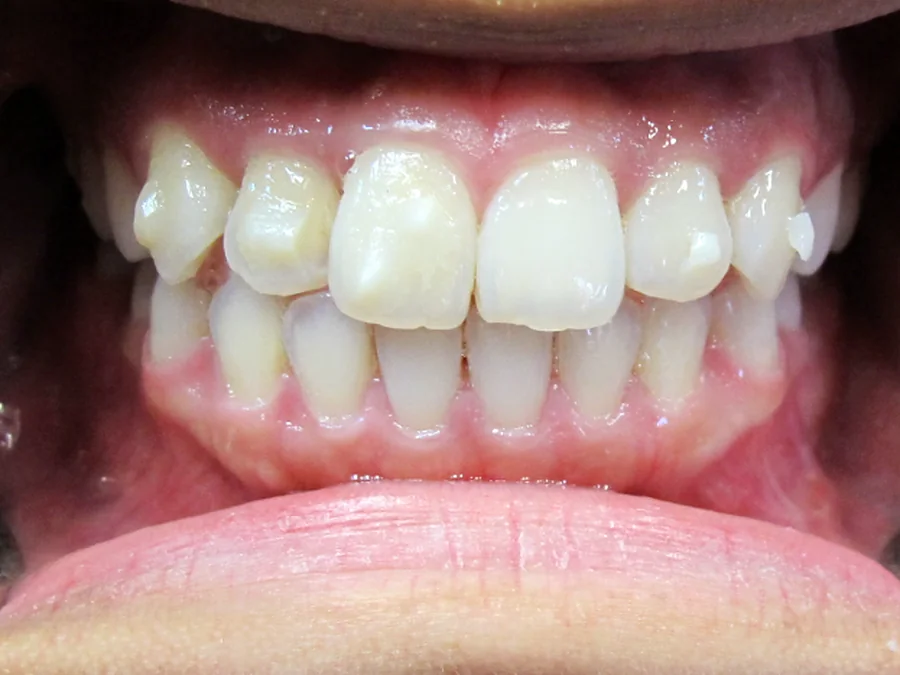
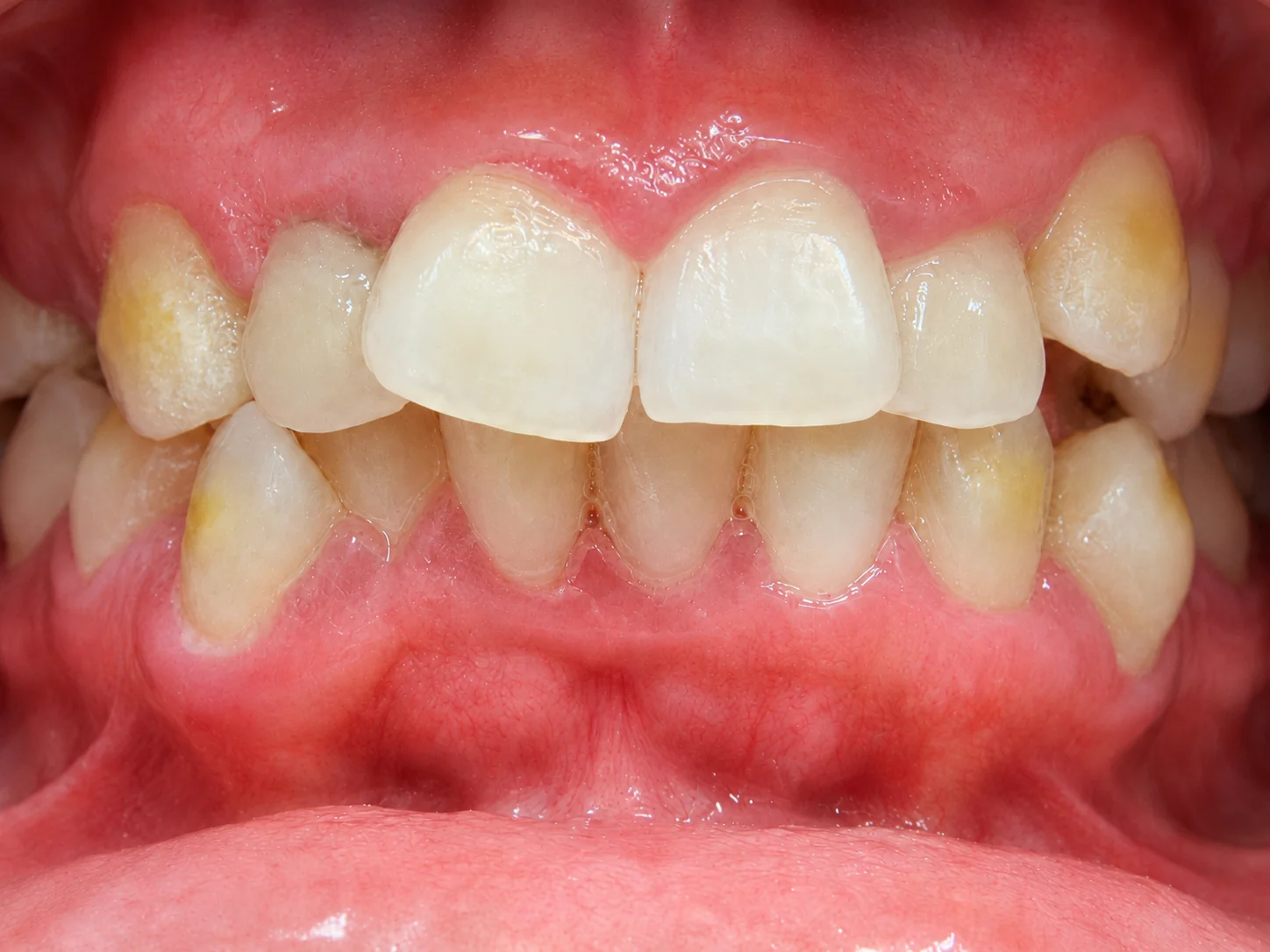
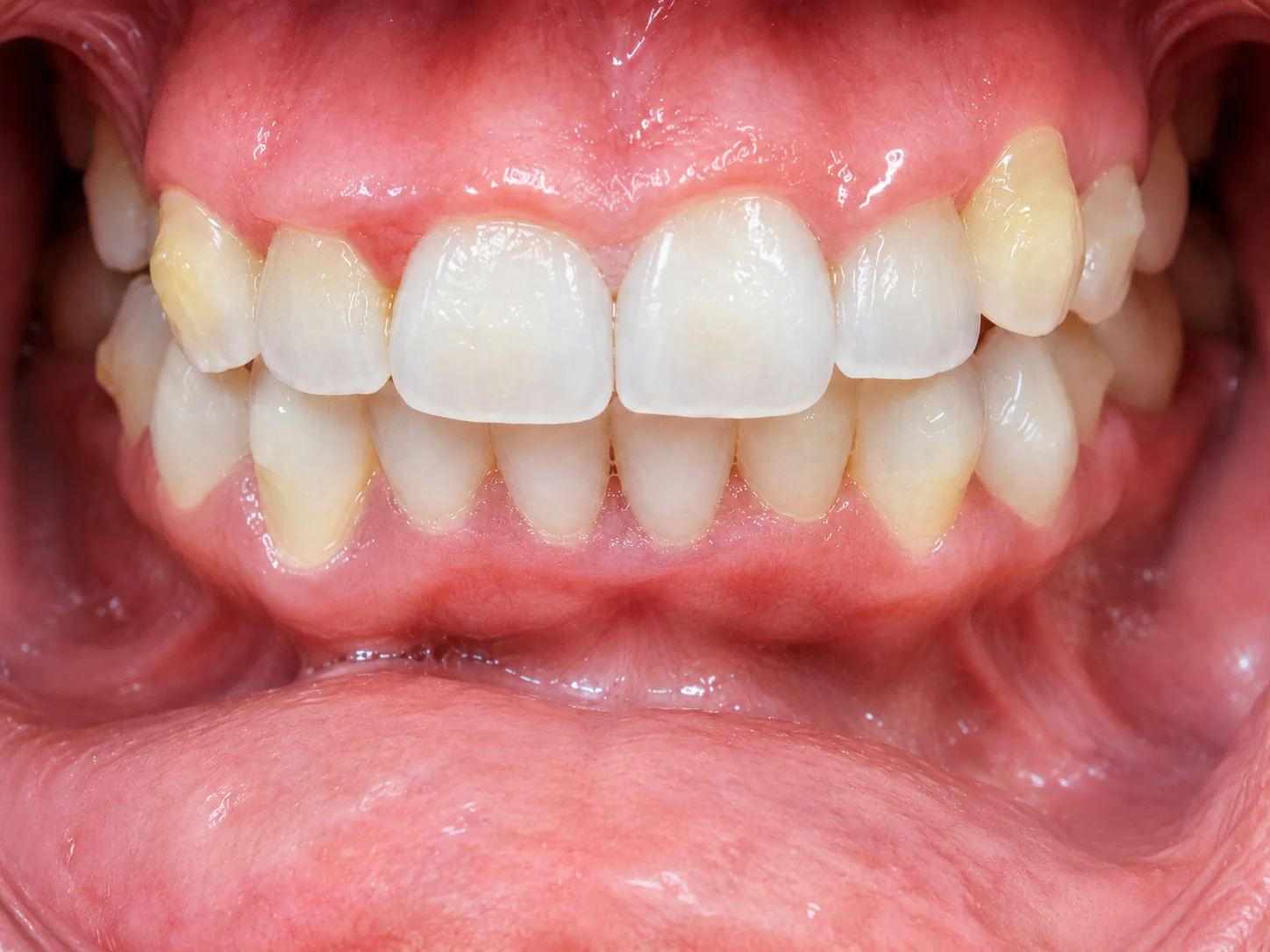
Before and After: Orthodontic Results
Real patients of Dr. Maxson, shown with permission. Individual results vary.
Anterior Crossbite Correction
Anterior Crossbite Correction—using Clear Aligners
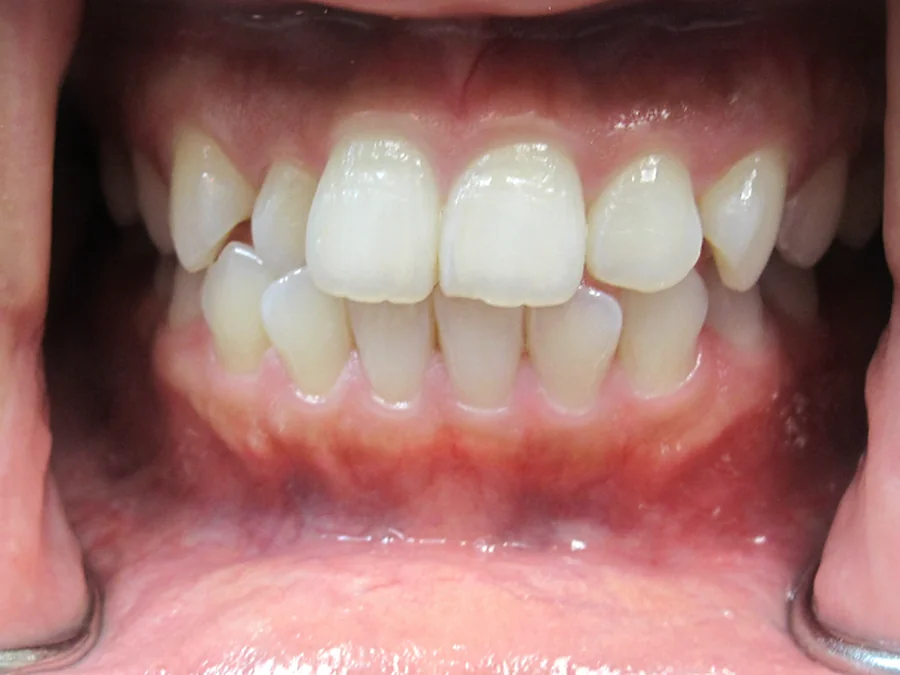
Crowding Correction
Crowding Correction—using Traditional Braces
Does Dental Insurance Cover Clear Aligners?
A dental plan with orthodontic coverage may contribute toward clear-aligner treatment much as it would toward braces, but benefits vary widely. Some plans cover children only, some include adults, and many carry a one-time lifetime orthodontic maximum rather than a yearly benefit. You may also be able to use eligible HSA or FSA funds.
Calm Dental Care can verify your available benefits before treatment begins. See our Financial Policies page for more options for making your orthodontic care affordable.
Why Choose Dentist-Supervised Aligners?
Tooth movement affects roots, bone, gums, bite contacts, and existing dental work. An in-person exam lets the dentist spot cavities, gum disease, bone loss, impacted teeth, jaw concerns, and restorative problems that photos or impressions alone can miss.
Professional supervision also gives you a plan when treatment does not go exactly as expected — and biology occasionally declines to follow the software. Dr. Maxson can find the cause, adjust the plan, and coordinate any other dental care you need along the way.
Why Choose Dr. Douglas Maxson for Your Orthodontic Care
Choosing orthodontic care involves more than selecting braces or clear aligners. The quality of the diagnosis, treatment plan, and clinical oversight can have a lasting effect on your smile, bite, comfort, and long-term oral health.
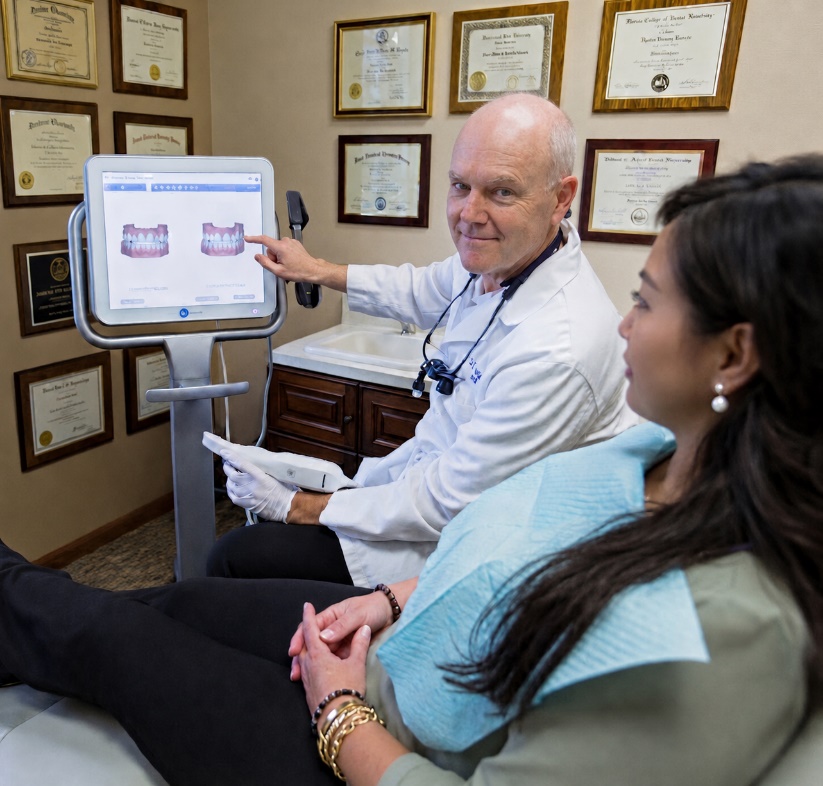
With more than 35 years of experience treating orthodontic patients, Dr. Douglas Maxson evaluates each case in the context of the entire mouth — not simply the appearance of the front teeth. His treatment planning considers the bite, jaw development, gum health, facial balance, airway-related concerns when appropriate, and any existing dental restorations.
Dr. Maxson’s orthodontic education includes decades of continuing education, advanced courses, and postgraduate training. As a Charter Member of the American Association for Functional Orthodontics, he has supported the principles of early evaluation and growth-guided treatment since the organization’s early years.
He believes orthodontic screening should begin during childhood, when developing jaw relationships and bite concerns may be easier to identify and address. For patients of all ages, the goal is not merely straighter teeth, but a healthy, functional bite and a confident, natural-looking smile. Meet Dr. Douglas Maxson, or learn more about orthodontics at Calm Dental Care.
What Happens After Treatment?
Retainers are essential because teeth naturally tend to shift throughout life. Your retainer plan may begin with full-time or extended wear and move to nighttime use, with the exact schedule and retainer type based on your case. A retainer is not an optional accessory — it protects the time, effort, and money you invested in your new smile.
Frequently Asked Questions About Clear Aligners
Can I eat while wearing Invisalign?
+
No. Remove your aligners before eating or drinking anything other than plain water. Eating with them in can damage, stain, or distort the trays.
How many hours a day should I wear my aligners?
+
Most patients are told to wear them about 20 to 22 hours each day. Follow the schedule Dr. Maxson sets for your case.
Can teens use Invisalign?
+
Yes, when the case is suitable and the teen can wear and care for the trays consistently. Braces may be more predictable for teens who are not ready for that responsibility.
Will aligners affect my speech?
+
A slight lisp can occur at first. Most patients adjust within several days as the tongue gets used to the trays.
What happens if I lose an aligner?
+
Contact the office rather than guessing. Depending on your progress, you may be told to wear the previous tray, move forward, or get a replacement.
Can aligners fix an overbite?
+
They can correct selected overbites and other bite concerns, but suitability depends on the cause and severity of the problem.
Are attachments noticeable?
+
Attachments are small and tooth-colored, though they may be visible up close. They give the aligners extra grip for controlled movement.
Can I whiten my teeth during treatment?
+
Some patients can, but timing should be coordinated with Dr. Maxson, especially when attachments are in place.
Will I need retainers forever?
+
Long-term nighttime wear is commonly recommended because teeth can shift throughout life. Your individual instructions may change over time.
Schedule a Clear Aligner Consultation in San Jose
Clear aligners should make orthodontic treatment more convenient—not less personal. Your treatment should begin with a comprehensive examination and a customized plan, not a one-size-fits-all tray ordered online.
During your no-obligation consultation, Dr. Maxson will evaluate your smile, bite, and overall oral health, explain which orthodontic options may be appropriate, and answer your questions without pressure.
Schedule your consultation today and discover the right path toward a healthier bite and a more confident smile.
Request a Clear Aligner Consultation
Meet with Dr. Maxson, review your bite, and compare Invisalign, ClearCorrect, ProMonitoring, and braces.
Request My ConsultationNot sure aligners are right for you?
Ask us whether you’re a candidate — no commitment required.
Am I a Candidate?Prefer to talk?
Call Calm Dental Care at (408) 996-0176 or request an appointment online.
Call (408) 996-0176Author / provider: Douglas R. Maxson, DDS — Calm Dental Care, San Jose, CA · Clinically reviewed by: Douglas R. Maxson, DDS · Last updated: October 1, 2026
Invisalign®, ClearCorrect®, and ProMonitoring® are registered trademarks of their respective owners.