Composite Fillings in San Jose, CA
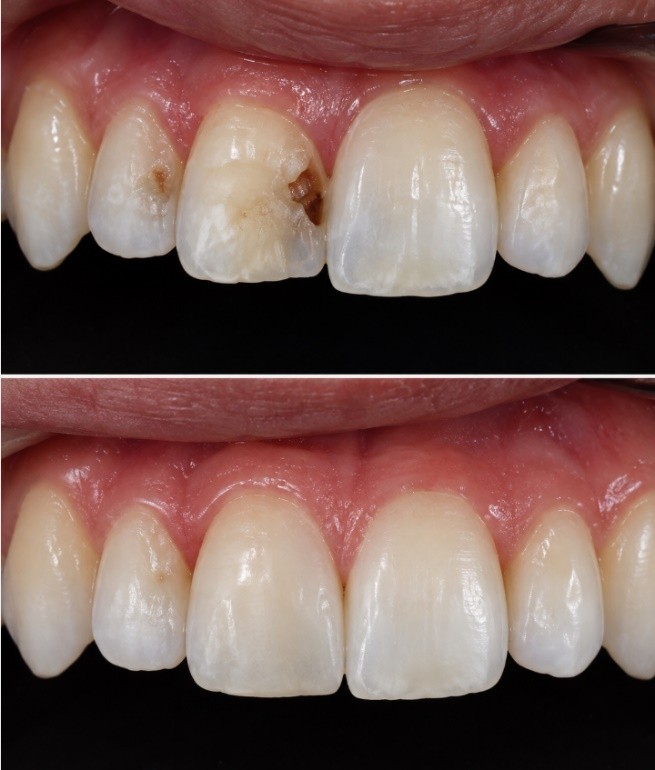
You notice it in the mirror, or in a photograph taken mid-laugh: a dark spot at the back of the smile that used to be a filling. Or a corner of a front tooth that catches your tongue. Tooth-colored fillings, also called composite fillings or white fillings, repair cavities, small chips and worn edges with resin shaded to match the tooth, so the repair does not become the thing people see. At Calm Dental Care in San Jose, Dr. Douglas R. Maxson removes only what has to go, preserves the healthy tooth around it, and shapes the restoration so it feels right when you bite. Call 408-996-0176 or request an appointment.
If you have been putting off a visit because you expect a lecture, you will not get one here. Dr. Maxson treats patients who have postponed dentistry for years, and the approach is deliberately calm and nonjudgmental. Sedation is available if that would make it easier.
By Douglas R. Maxson, DDS — Calm Dental Care, San Jose, CA · Clinically reviewed by Douglas R. Maxson, DDS · Last updated October 1, 2026
Quick Answers
Composite fillings at a glance
- What it is
- A composite resin restoration — acrylic resin with fine glass filler — bonded into the tooth and hardened with a curing light. Also called a white filling or composite filling.
- What it repairs
- Small to moderate cavities, minor chips and cracks, worn edges, and old fillings that are failing or highly visible.
- How long it takes
- Usually one visit. Composite takes longer to place than a silver filling because the tooth has to be kept dry and the material is built in layers.
- Comfort
- The tooth is numbed when needed; you may feel pressure or vibration, not sharp pain. Some temperature sensitivity afterward is normal and usually settles.
- What affects the cost
- The size of the restoration, which tooth it is on, and how many surfaces are involved. Most plans cover composite fillings at some level, though terms vary.
- Next step
- An examination that identifies what is actually causing the sensitivity, roughness or dark spot — then the smallest treatment that will hold. Call 408-996-0176.
What Is a Composite Filling?
A filling repairs a tooth damaged by decay. The decayed structure is removed, and the cleaned space is filled with a restorative material that seals the tooth and returns it to normal shape and function.
Tooth-colored fillings use composite resin — an acrylic resin base combined with fine glass or quartz-like filler particles. The material arrives in a moldable form, is placed directly into the prepared tooth in small increments, and is hardened with a curing light before being shaped and polished. Because composite comes in many shades and levels of translucency, the shade can be selected or blended to coordinate with the enamel around it.
They are used on front teeth for obvious reasons, and on many back teeth as well. But a tooth-colored filling is not only a cosmetic treatment. It is a functional restoration that seals the space left after decay is removed, smooths rough or sharp areas, and restores comfortable chewing. It is also one of the most common treatments in cosmetic dentistry.
In the past, amalgam (mercury and silver) and gold were the materials used to treat cavities. Newer cosmetic materials, advanced bonding techniques and more durable fillings have come into wide use mostly in the past 30 years.
What Composite Fillings Can Repair
During your examination we look at how much tooth structure is damaged, the health of the tooth and surrounding gums, your bite, and where the problem sits before recommending a restoration. Composite fillings are commonly used to:
- Treat small or moderate cavities caused by decay
- Repair minor chips, cracks and worn edges
- Restore a tooth damaged by biting something hard
- Replace an old filling that is worn, leaking, cracked or noticeably discolored
- Improve the appearance of a visible existing restoration
- Close a very small gap or refine tooth contours in selected cosmetic cases
- Rebuild an area where a small piece of enamel has broken away
Not every damaged tooth is best treated with a filling. When decay is extensive, the tooth is badly cracked, or so much structure is missing that a filling would have little to hold onto, an inlay, onlay or crown protects the tooth better. We will tell you which option we are recommending and why — including what it would cost to do it the other way.
How Do I Know If I Have a Cavity?
Some cavities announce themselves and some develop silently, which is why examinations matter even when nothing hurts. Possible signs of decay include:
- Sensitivity to cold, heat or sweets
- Discomfort when biting, or a persistent toothache
- Food repeatedly trapping in one spot
- A visible dark spot, hole or defect
- A rough edge that catches your tongue
- Floss tearing or catching between two teeth
- A loose or missing filling, or an unpleasant taste
These symptoms do not always mean a cavity, and feeling nothing does not mean a tooth is healthy. An examination — often with digital X-rays, since decay between teeth is invisible from the outside — is what identifies the cause.
What Happens During the Appointment
Placing a composite filling is a routine procedure. Doing it well depends on comfort, keeping the tooth dry, and getting the shape, bite and shade right.
1. Examination and diagnosis.
We evaluate the tooth and determine how deep and extensive the damage is, using digital X-rays or photographs when the area cannot be assessed visually.
2. Comfort.
Local anesthetic is used to numb the tooth and surrounding tissue, particularly when decay is present or the tooth is already sensitive. For very small or shallow restorations it is not always necessary.
3. Removing the decay.
The decayed or weakened structure is removed conservatively, preserving the healthy tooth around it.
4. Preparing the tooth.
The area is cleaned and conditioned so the composite bonds securely. The tooth has to be kept clean and dry through this step — the American Dental Association notes that this need for moisture control is one reason composite takes longer to place than metal.
5. Shade selection and placement.
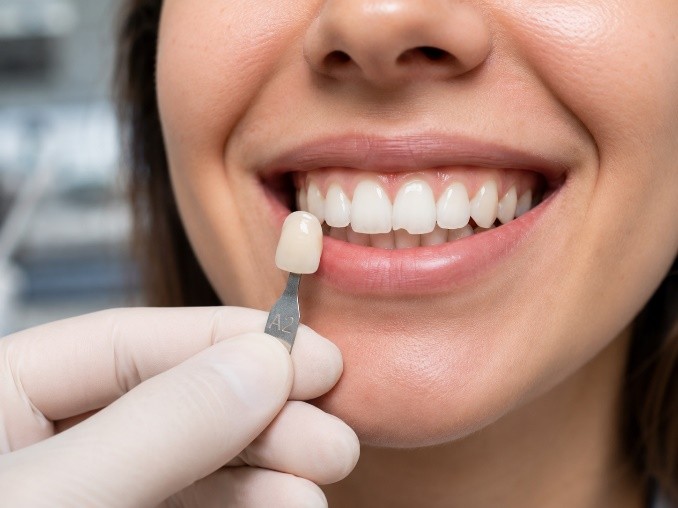
For visible teeth a shade is selected to complement the neighboring enamel, and more than one shade or level of translucency may be layered to avoid a flat, obvious repair. The composite is placed in small increments, each hardened with a curing light before the next is added.
6. Shaping, polishing and bite adjustment.
The filling is shaped to follow the tooth's natural contours, polished smooth, and checked against your bite.
A finished filling should not feel bulky, sharp, rough or high when you close. If it does once the numbness wears off, tell us — a small adjustment protects both the tooth and the restoration from taking more force than they should.
What to Expect Afterward
Numbness lasts a while if anesthetic was used; wait until it has fully worn off before chewing so you do not bite your cheek, lip or tongue. Mild short-term sensitivity to cold, heat, sweets or pressure is common as the tooth settles, particularly when the cavity was deep, and it generally improves.
Contact us promptly if you notice any of the following:
- Severe, persistent or worsening pain, or pain that wakes you at night
- Pain that lingers long after hot or cold exposure
- Pain on biting that does not improve
- A filling that feels high or has changed your bite
- A rough, sharp, chipped or broken filling, or one that falls out
- Swelling, fever or other signs of infection
These do not necessarily mean the filling has failed, but they should be looked at rather than waited out.
Composite and Amalgam Compared
Amalgam — the silver-colored filling — has been used for generations, particularly in back teeth. Composite is a separate, tooth-colored option. Both have real strengths, and the right choice depends on the size and location of the cavity, how well the area can be kept dry, your bite forces, how much healthy tooth remains, and what you want the result to look like.
| Composite (tooth-colored) | Amalgam (silver) | |
|---|---|---|
| Appearance | Shaded and layered to blend with the surrounding enamel | Silver-colored; darkens over the years |
| Where it fits best | Small to moderate restorations, and anywhere visible | Larger restorations in back teeth under heavy chewing forces |
| Tooth structure removed | Bonds to the tooth, so in appropriate cases less healthy structure is removed | Relies more on mechanical retention, which can require a wider preparation |
| Placement | Placed in layers and light-cured; the tooth must be kept dry, so it takes longer | Faster to place and more tolerant of moisture |
| Repair | Can often be repaired or added to without replacing the whole filling | Usually replaced rather than repaired |
| Safety | Widely used restorative material | Considered safe for most people by the FDA and the NIDCR |
Should Old Silver Fillings Be Replaced?
Not automatically. An existing amalgam filling should not be removed simply because it is old or because tooth-colored materials exist. If it is intact, sealing properly and surrounded by healthy tooth structure, replacing it may offer no dental benefit — and every replacement removes a little more natural tooth.
Replacement is worth considering when a filling:
- Is cracked, broken or loose
- Has decay around or beneath it
- No longer seals the tooth
- Traps food
- Is associated with a fractured tooth or cusp
- Interferes with the bite
- Has become a significant cosmetic concern to you
- Has to come out as part of another necessary treatment
We will evaluate the restoration, the tooth around it and your own concerns before recommending anything. The decision belongs to the condition of the tooth, not to a blanket policy about metal.
When a Crown Is the Better Choice
A filling replaces a damaged portion of a tooth. A crown covers and protects what is left of it. A crown is usually the better answer when the cavity is very large, when much of the tooth is already filling material, when the tooth is cracked or a cusp has fractured, after root canal treatment, or when heavy bite forces make another filling unpredictable. Placing an oversized filling in a badly weakened tooth often postpones the real solution rather than providing it. Our dental crowns page explains what that treatment involves.
Composite Fillings and Cosmetic Bonding
The two use similar composite materials for different purposes. A filling restores a tooth affected by decay or damage. Cosmetic tooth bonding makes an appearance change — repairing a small chip, closing a minor gap, reshaping an uneven edge. Sometimes one procedure accomplishes both.
How Long Do Composite Fillings Last?
No filling lasts forever. Lifespan depends on the size and location of the restoration, the forces on it, daily hygiene, diet and habits such as grinding or chewing ice. A small filling surrounded by strong enamel behaves very differently from a large one on a molar. Composite can wear, chip, fracture, stain or begin to leak at the edges, and any filling may eventually need repair or replacement.
You can protect yours by:
- Brushing twice daily with fluoride toothpaste
- Cleaning between your teeth every day
- Limiting frequent sugary snacks and drinks
- Keeping recommended examinations and professional cleanings
- Not chewing ice, pens or fingernails
- Wearing a nightguard if you grind or clench, and a mouthguard for contact sports
- Reporting sensitivity, food trapping, a rough edge or a bite change promptly
Will the Filling Match My Tooth?
That is the goal, and for visible teeth it often takes more than one shade or level of translucency to get there, because natural enamel is not a single flat color.
One thing worth knowing in advance: whitening products lighten natural enamel but do not change the color of composite. If you are considering professional whitening and also need a filling in a visible area, the sequence matters — whiten first, then match the restoration to the new shade. It is a short conversation that prevents a mismatched front tooth. Our teeth whitening page explains the options.
Why Patients Choose Dr. Douglas R. Maxson for Restorative Care
Fillings are the most common treatment in dentistry, which is exactly why the details separate a restoration that lasts from one that gets redone. Dr. Maxson brings 40+ years of clinical experience to that work, and he evaluates the whole mouth — the bite, the neighboring teeth and the existing dentistry — before deciding how a tooth should be restored.
- Conservative preparation that keeps as much natural tooth as the situation allows
- An honest recommendation when a filling is not the right answer, including what a crown or onlay would involve
- Shade selection and layering for restorations in the visible smile zone
- Sedation available for patients who are anxious, have a strong gag reflex or want several teeth treated in one longer visit
- A calm, nonjudgmental approach for patients returning after years away from the dentist
- Costs and alternatives discussed before treatment begins, not after — we'll review your specific benefits
Dr. Maxson prefers to evaluate the location of the filling, the size of the filling, the amount of potential wear and tear on that tooth, and the patient's history of caries prior to suggesting any specific type of restoration material.
Composite Filling FAQs
Does getting a filling hurt?
The tooth is usually numbed before treatment, so you should not feel sharp pain. Most patients describe pressure or vibration instead. For very small or shallow restorations, anesthetic is not always necessary. Tell us right away if you feel uncomfortable at any point — we would rather stop and adjust.
Will my tooth be sensitive afterward?
Temporary sensitivity to cold, heat, sweets or pressure is common, particularly if the cavity was deep, and it usually settles as the tooth recovers. Contact the office if the sensitivity is severe, wakes you at night, lingers long after hot or cold exposure, or the tooth hurts when you bite.
Why does my bite feel different after a filling?
A new filling can feel slightly high once the numbness wears off, which makes chewing uncomfortable and puts extra force on the tooth. A small adjustment usually corrects it in a few minutes. Please call rather than waiting for the tooth to wear itself down.
Can a cavity come back underneath a filling?
Yes. New decay can develop where the filling meets the natural tooth, which is why a restored tooth still needs daily cleaning between the teeth and regular examinations. Catching that early is usually the difference between a repair and a crown.
Can a composite filling stain?
Composite can collect surface stain over time, especially with frequent coffee, tea, red wine or tobacco. Professional polishing improves some surface discoloration, while deeper staining may call for repair or replacement of the restoration.
Can a composite filling repair a chipped front tooth?
Often, yes. Composite can be layered and polished to rebuild a small chip or worn edge. The right treatment depends on the size of the chip, your bite, and whether the tooth also has a crack — which is one of the things we check before recommending anything.
Does dental insurance cover composite fillings?
Many plans provide benefits for composite fillings, though coverage varies by the tooth's location and the terms of the plan. Some plans pay only part of the fee, and some base reimbursement on the cost of a silver filling instead. Our team is glad to review your specific benefits before treatment.
Restore the Tooth While It Is Still Small
A cavity rarely gets smaller on its own. Treating decay early preserves more healthy tooth structure and lowers the odds of needing a crown, a root canal or an extraction later — which is the whole argument for not waiting.
Not sure it needs treating yet? Bring it to an examination and we will tell you what we see, including when the honest answer is to watch it.