Tooth Bonding in San Jose, CA
Reviewed by Dr. Douglas R. Maxson, DDS • Updated October 2026
Tooth bonding
(also called
dental bonding
or
composite bonding
) is a cosmetic treatment that repairs chipped teeth, closes small gaps, and reshapes uneven teeth with a tooth-colored resin sculpted directly onto the tooth. At
Calm Dental Care
in
San Jose
,
Dr. Douglas R. Maxson
completes most bonding in a single visit of under an hour per tooth, usually without numbing and with little or no natural tooth removed.
Tooth bonding at a glance
- Visit length
- about 30 to 60 minutes per tooth, in one visit
- Numbing
- frequently not needed
- Tooth removed
- little or none
- How long it lasts
- typically 3 to 10 years before a touch-up or replacement (Cleveland Clinic)
- Best for
- small chips, gaps, uneven edges, and spots whitening can't lift
What can tooth bonding fix?
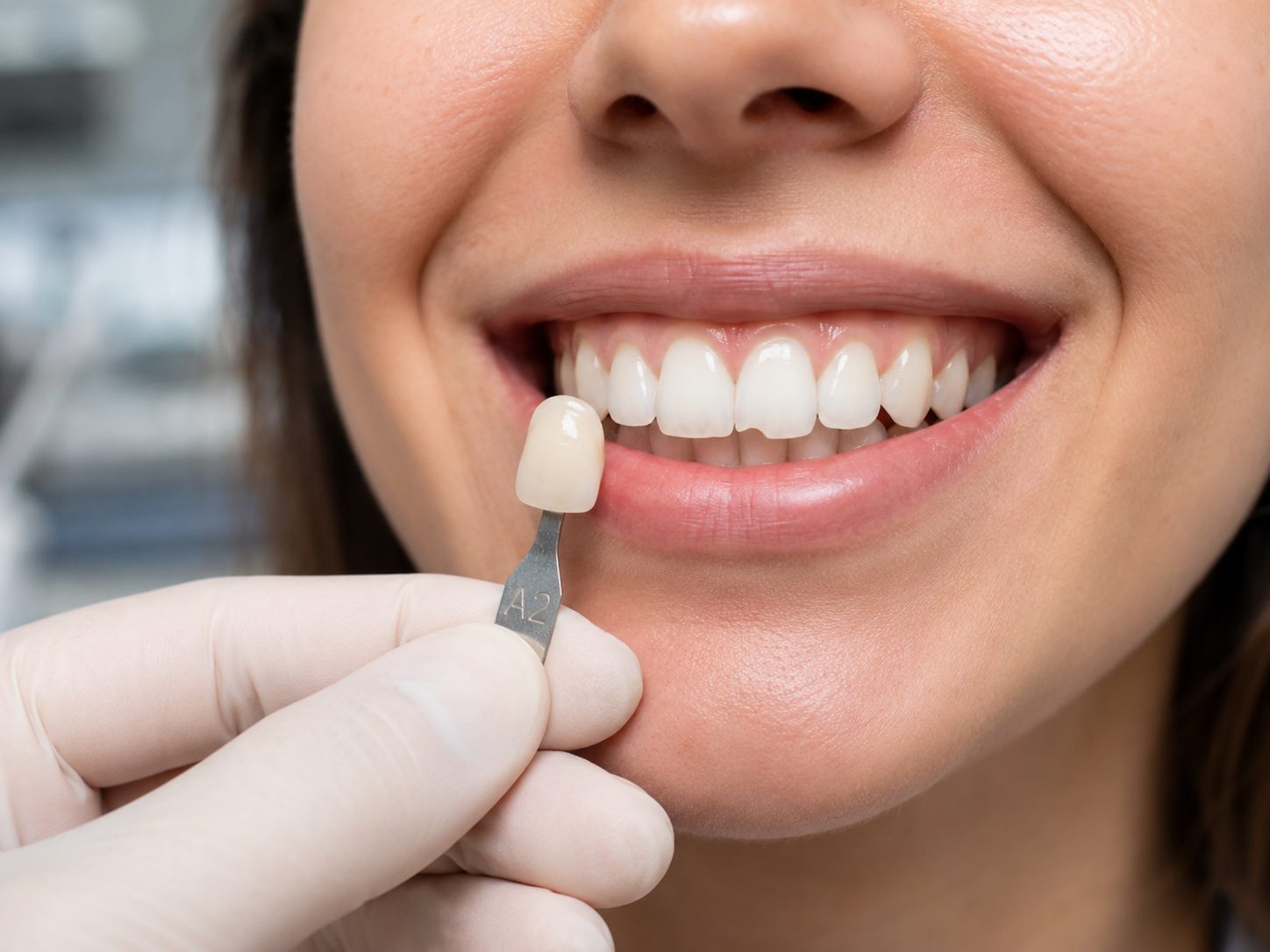
- Chipped or worn front teeth. Resin rebuilds the missing edge so the tooth looks whole again. This is the most common reason patients ask about bonding.
- Small gaps between teeth. Bonding can close a narrow space, such as a gap between the two front teeth, without braces or aligners.
- Short, uneven, or slightly misshapen teeth. Added resin can lengthen a short tooth, smooth a jagged edge, or make one tooth match its neighbor.
- Stains and white spots whitening can't lift. A thin layer of bonding can cover discoloration that doesn't respond to bleaching.
- Worn notches near the gum line. Filling these areas protects the tooth and improves its appearance.
Who is a good candidate for tooth bonding?
Bonding is best for small to moderate cosmetic changes on healthy teeth. It may not be the right choice if you want to change the color or shape of many teeth at once, if a tooth has a large fracture or active decay, or if you grind or clench heavily, because composite resin can chip under strong biting forces. In those cases, porcelain veneers, a crown, or orthodontic treatment may serve you better, and Dr. Maxson will tell you so plainly, even when the simpler option is the right one.
How is tooth bonding done?
- Shade matching. Dr. Maxson selects the resin color at the start of the visit, before the tooth dries out, because a dried tooth looks lighter than its true shade.
- Surface preparation. The tooth is gently roughened and conditioned so the resin bonds firmly. Most cases need no drilling or anesthesia.
- Hand sculpting. The resin is placed in thin layers and shaped to the natural contours of your tooth.
- Light curing. A curing light hardens each layer in seconds.
- Finishing. Dr. Maxson refines the shape, checks your bite, and polishes the surface to a natural luster.
You leave the same day with the change complete.
Should I choose bonding or porcelain veneers?
| Treatment | Tooth bonding | Porcelain veneers |
|---|---|---|
| Visits | One | Usually two or more |
| Tooth removed | Little or none | A thin layer of enamel |
| Typical lifespan | 3 to 10 years | Often 10 years or longer |
| Stain resistance | Good, but can stain over time | Excellent |
| Cost | Lower | Higher |
| Best for | Small, targeted fixes | Larger changes in color and shape |
Many patients start with bonding for a single chip and choose veneers when they want to change several teeth at once. Because Dr. Maxson provides bonding, porcelain veneers, teeth whitening, crowns, and clear aligners, his recommendation isn't shaped by what the office happens to offer.
How long does tooth bonding last?
Bonding typically lasts 3 to 10 years before it needs a touch-up or replacement, depending on where it is in the mouth and how it's cared for. To help it last:
- Brush twice a day and floss daily.
- Don't bite fingernails, pens, ice, or hard candy with bonded teeth.
- Limit coffee, tea, red wine, and tobacco, which can stain resin.
- Wear a nightguard if you grind your teeth at night.
- Keep regular cleanings so minor wear can be polished early.
How much does tooth bonding cost in San Jose?
Bonding is one of the most affordable cosmetic dental treatments. Your cost depends on the size of the repair and the number of teeth. Insurance often does not cover bonding done purely for appearance, but it may help when bonding repairs a chipped or broken tooth. You will receive a written estimate before treatment, and our Financial Policies page explains payment plans and in-office financing.
Financial Policies →Why choose Dr. Maxson for tooth bonding?
Bonding is shaped freehand, so the result depends on the dentist's eye, patience, and experience. Dr. Douglas R. Maxson has practiced dentistry in San Jose for more than 40 years and takes the time to match color, shape, and surface texture so a bonded tooth blends with the teeth around it. Cosmetic consultations are complimentary, and you will see exactly what he sees before you decide. Patients come to our office at 1198 S. De Anza Blvd. from West San Jose, Cupertino, Campbell, Santa Clara, and Sunnyvale.
Meet Dr. Maxson →Frequently asked questions about tooth bonding
Does tooth bonding hurt?
Usually not. Because little or no tooth structure is removed, most bonding is done without anesthesia. If the repair is near the nerve, Dr. Maxson can numb the area first.
Can bonded teeth be whitened?
No. Bonding resin does not respond to whitening gel. If you plan to whiten, do it before bonding so the resin can be matched to your brighter shade.
What happens if my bonding chips?
Small chips can usually be repaired in one short visit by adding new resin, without replacing the whole restoration.
Is tooth bonding the same as a tooth-colored filling?
They use similar composite resin, but the purpose differs. A filling repairs a cavity inside the tooth; bonding improves the shape or appearance of a healthy tooth.
Can I eat normally after bonding?
Yes. The resin is fully hardened before you leave. For the first day or two, go easy on coffee, tea, red wine, and other foods that stain.
Should I get bonding or a veneer?
Bonding suits small fixes on one or two teeth; veneers suit larger changes across several teeth. A complimentary consultation is the easiest way to compare both for your smile.
Ready to repair a chipped tooth?
Call Calm Dental Care at (408) 996-0176 or request an appointment online. Your cosmetic consultation is complimentary.