Advanced Dental Technology in San Jose — Calm Dental Care
At Calm Dental Care in San Jose, Dr. Douglas R. Maxson uses advanced dental technology not because it looks impressive, but because it changes what he can see, plan, and treat. Digital imaging lets him spot problems earlier. 3D scanning and CBCT let him plan implants and orthodontics with more precision. Lasers, electric handpieces, and PRF technology make many procedures gentler and support faster healing. This page walks through the technology patients notice most, and what each one means for your visit. Questions? Call 408-996-0176.
By Dr. Douglas R. Maxson, DDS · Clinically reviewed by Dr. Douglas R. Maxson, DDS · Last updated October 1, 2026
Quick Answers
Dental Technology at a Glance
What kind of technology does Calm Dental Care use?
Digital X-rays, 3D CBCT imaging, digital scanning, dental lasers, and more, all used to help Dr. Maxson see, plan, and treat more precisely.
Does this technology mean less radiation?
Digital X-rays typically use less radiation than traditional film X-rays.
Do I still need messy impressions?
In most cases, no. A digital scanner replaces the tray and putty for most crowns, aligners, and other restorations.
Will treatment feel more comfortable?
Many of these tools, including lasers, electric handpieces, and sedation monitoring, are used specifically to make treatment gentler and safer.
Is any of this done off-site?
No. Imaging, scanning, and most appliance fabrication happen in-office in San Jose, often in the same visit.
Where do I start?
Ask about any of this technology at your next visit, or call the office with questions before you come in.
Technology That Helps Us See What Others Can't
Digital X-rays • CBCT • Panoramic Imaging • Intraoral Camera
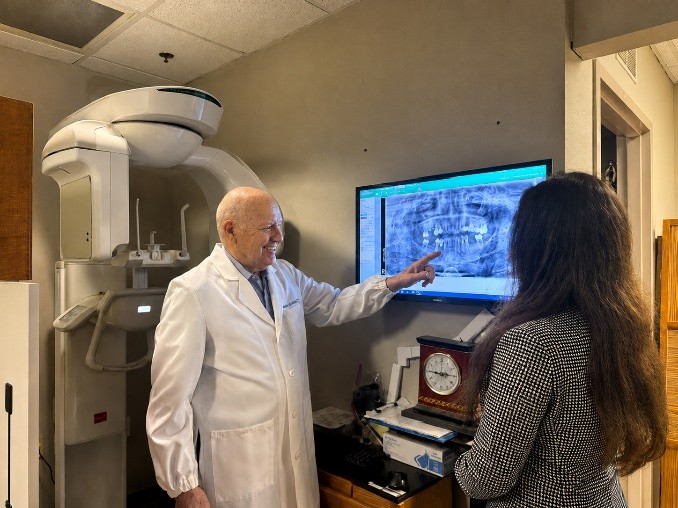
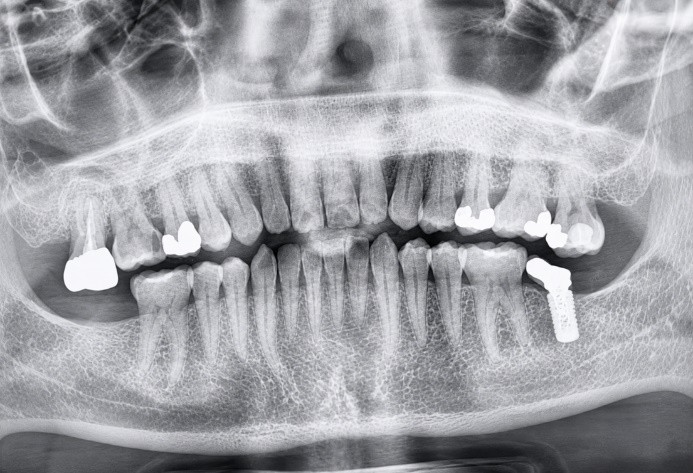
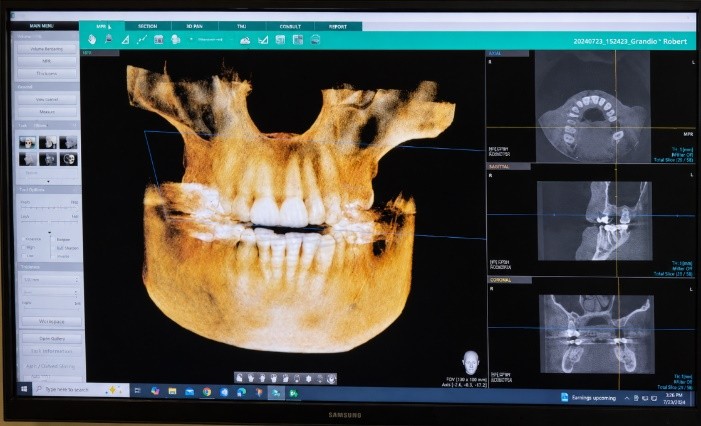
Every exam starts with seeing clearly. Dr. Maxson's digital X-rays appear on the monitor within seconds, at less radiation than traditional film, and can be enlarged so you can see exactly what he sees. For a fuller picture, our in-office 3D CBCT scanner captures your teeth, jawbone, nerves, sinuses, and airway in a single scan, the same appointment, with no outside imaging center required. A digital panoramic view and an intraoral camera round out the picture, letting Dr. Maxson, and you, spot cracks, decay, or gum concerns on a large screen instead of just taking his word for it.
See What We See
Digital Photography • Intraoral Imaging • 3D Scanning
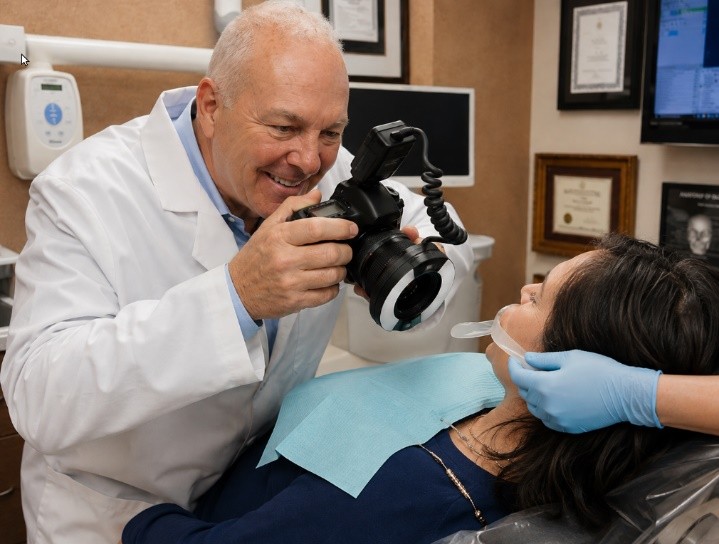
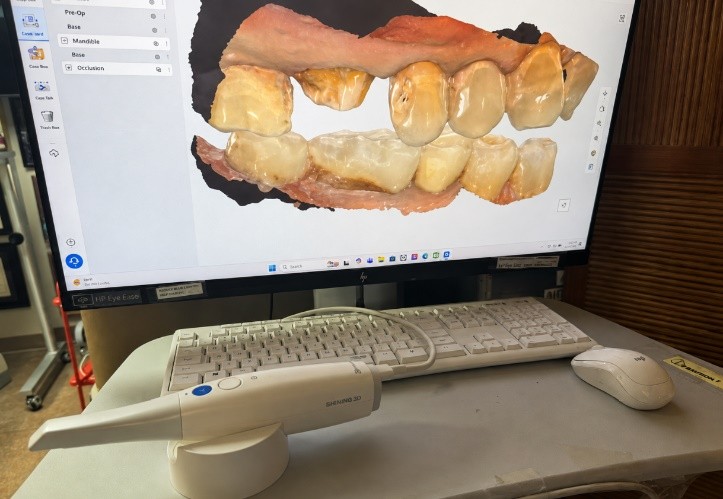
We don't just describe what we find. Whenever possible, we show you. High-resolution digital photography helps Dr. Maxson evaluate tooth shape, color, and symmetry for cosmetic cases, and gives you a clear before-and-after view of your own treatment. A pen-sized intraoral camera lets you see cracks, worn fillings, or early decay on the same monitor Dr. Maxson is looking at. And when a 3D digital scan is needed for a crown, aligner, or restoration, you can watch your own teeth take shape on-screen in real time.
More Precise Treatment Planning
CBCT • Digital Scanning • Implant Planning • Orthodontic Planning
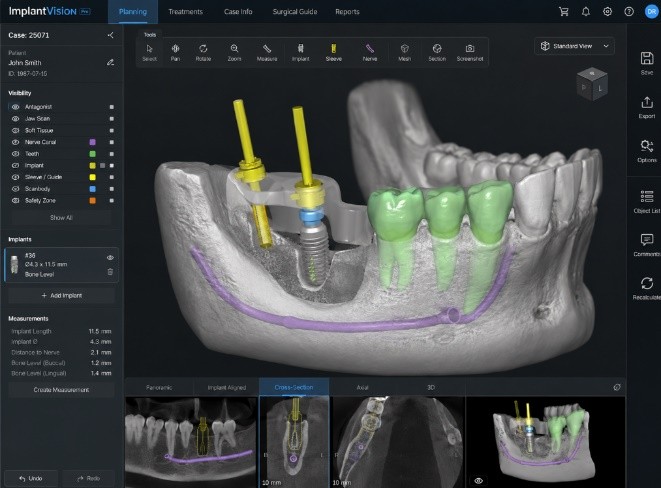
For anything more involved than a routine filling, precision starts before treatment ever begins. Dr. Maxson merges CBCT imaging with digital scans to study bone volume, nerve position, and available space in three dimensions, then uses digital implant planning software to help select the ideal implant size, angle, and depth, and can have a surgical guide fabricated before surgery. The same digital models support orthodontic planning for clear aligners, so you can see a projected path for your own treatment rather than just hearing about one.
Technology for Gentler, More Precise Treatment
Laser Dentistry • Piezoelectric Surgery • Electric Handpieces
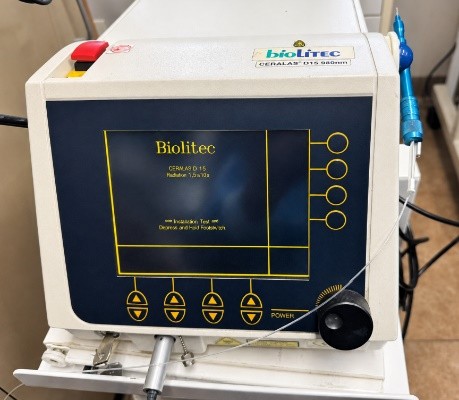
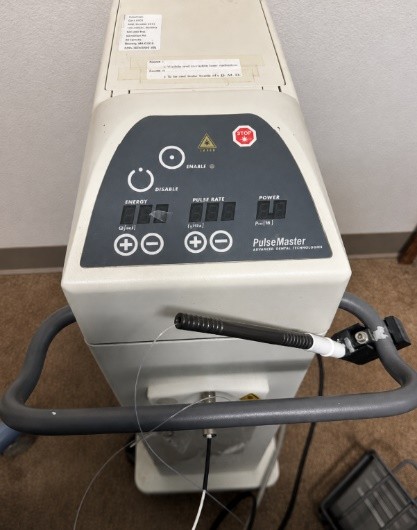
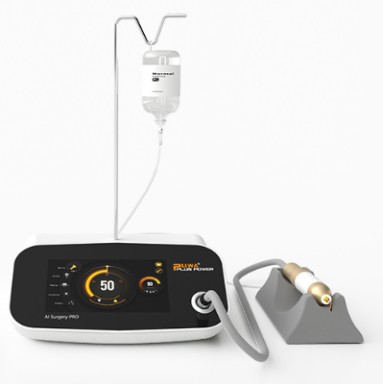
Some of the biggest comfort differences come from the instruments used during treatment itself. Soft-tissue diode and Nd:YAG lasers are used for gum contouring, frenectomies, and periodontal therapy, and can often mean less bleeding and a more comfortable recovery than conventional instruments. For select surgical and grafting procedures, piezoelectric technology is designed to selectively work on hard tissue while helping protect adjacent soft tissue, nerves, and sinus membranes. Electric handpieces replace the traditional air-driven drill with smoother, quieter, more consistent power for restorative and cosmetic work.
Technology That Helps You Heal
PRF/Fibrin Technology • Bone Grafting Technology • Laser Therapy
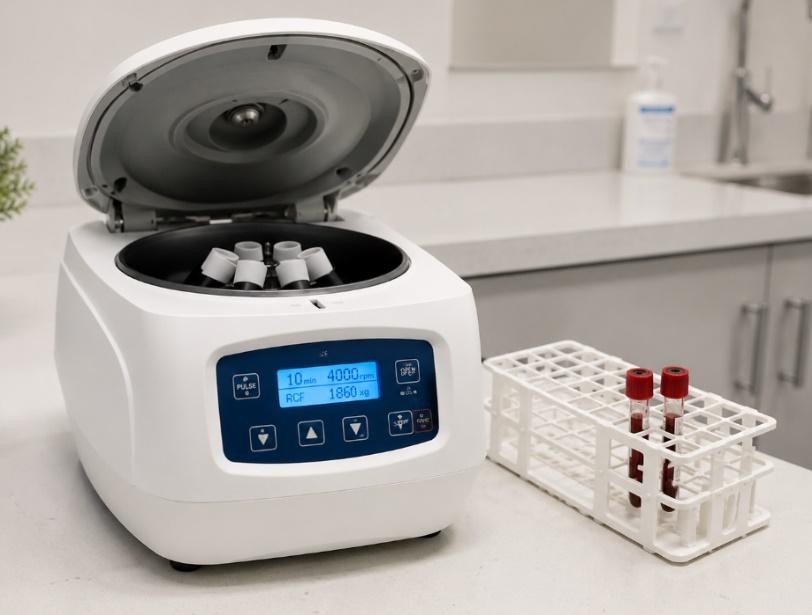
Healing can also be supported by technology, sometimes using your own body's resources. Dr. Maxson's in-office centrifuge processes a small blood sample to concentrate platelets and natural healing factors into a fibrin membrane, which can be used during extractions, bone grafting, and implant treatment to support tissue repair and, in select cases, reduce reliance on synthetic membranes. The same soft-tissue lasers described above are also used therapeutically, to help reduce bacteria and support healing around periodontal and implant sites.
Technology That Keeps Treatment Moving Between Visits
ProMonitoring • Digital Orthodontic Scanning
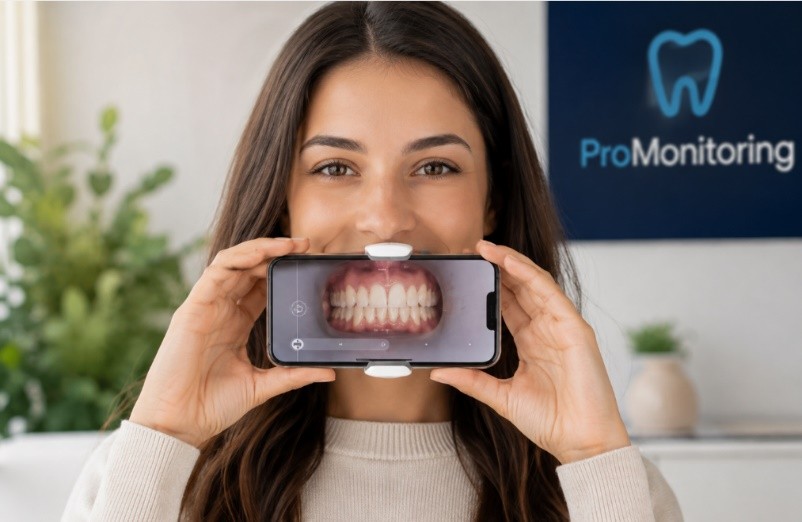
Orthodontic treatment doesn't have to disappear into a black hole between appointments. Most clear-aligner patients at Calm Dental Care qualify for ProMonitoring for clear-aligner patients, which uses a smartphone and an at-home ScanBox Pro to send Dr. Maxson regular images of tracking and progress. The full kit is included in your fee. The AI-assisted review helps flag fit or compliance concerns early, so Dr. Maxson can tell you when to advance to your next aligner, often without an extra office visit, and often meaning far fewer in-person appointments over the course of treatment.
Technology for Comfort and Safety
Sedation Monitoring • Nitrous Oxide • Digital Records/Monitoring
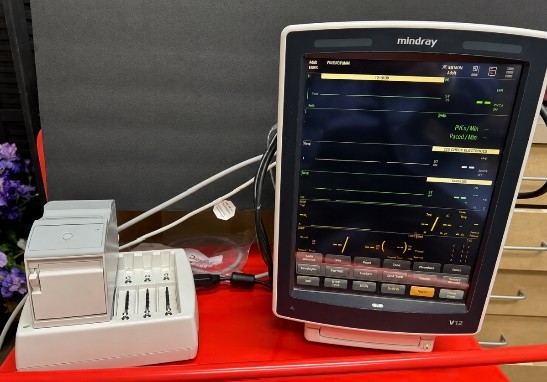
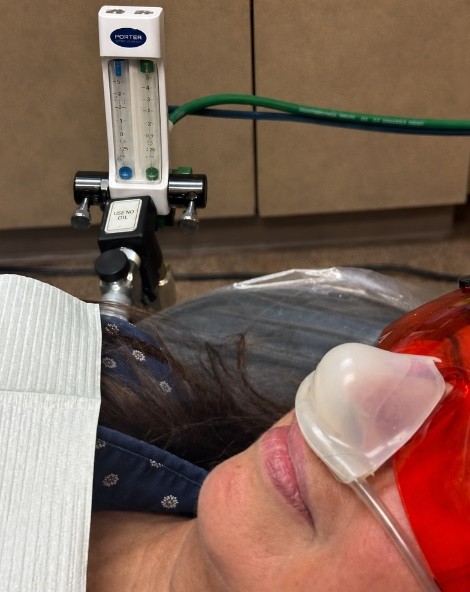
For sedation and more involved procedures, Dr. Maxson's team continuously monitors heart rate, blood pressure, oxygen levels, breathing, and end-tidal carbon dioxide throughout treatment, with emergency medications and equipment on hand. Nitrous oxide remains available for patients who would like extra relaxation during routine visits. Behind the scenes, digital patient records keep your health history, images, and treatment notes organized and accessible to the whole team at every visit.
Technology That Saves Time
Digital Impressions • Rapid Curing • In-Office Appliance Fabrication • Digital Lab Communication
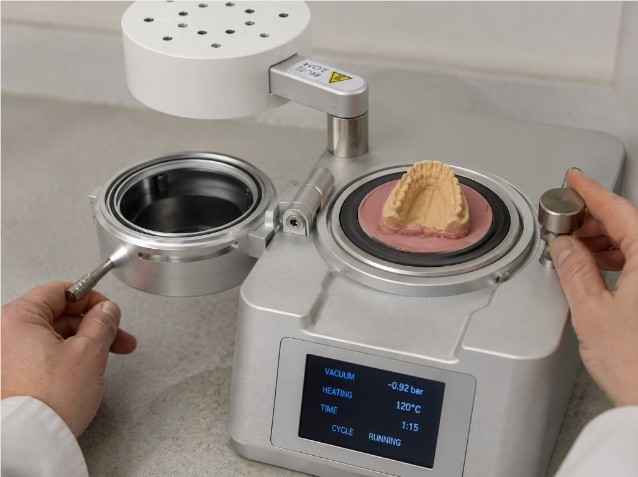
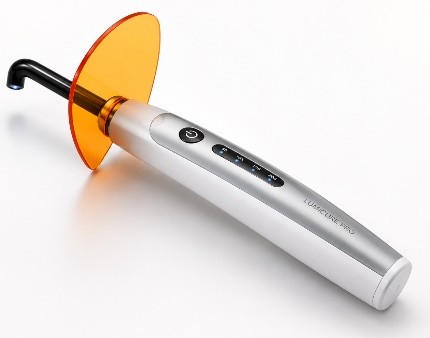
Some of the most appreciated technology is the kind you barely notice. A digital scanner replaces the tray of impression material for most crowns, aligners, and retainers, and sends precise digital files straight to the lab, often shortening turnaround time and reducing remakes. In-office fabrication means many nightguards, retainers, whitening trays, and Perio Protect medicated treatment trays can be made the same day, without a separate lab visit. Rapid LED curing lights shorten chair time during fillings and cementation without shortcutting the material's full cure.
Frequently Asked Questions
Is the 3D imaging done in-house, or will I be sent somewhere else?
All 3D CBCT imaging is done in-office at Calm Dental Care in San Jose, so you don't need a separate appointment at an outside imaging center. Dr. Maxson can review your scan the same day and use it right away for treatment planning.
Will digital X-rays expose me to more radiation than regular X-rays?
No. According to the Cleveland Clinic, digital X-rays typically use 80-90% less radiation than traditional film X-rays.
Do I still have to bite into a tray of impression material?
In most cases, no. A digital intraoral scanner captures a detailed 3D model of your teeth in minutes, replacing the traditional tray and putty for most crowns, aligners, and other restorations.
Is laser treatment more comfortable than traditional methods?
Dr. Maxson's soft-tissue lasers, used for procedures like gum contouring and periodontal therapy, are generally associated with less bleeding and a smoother recovery than conventional instruments, though your experience can vary with the specific procedure.
What is ProMonitoring, and do I need to buy anything?
ProMonitoring is a remote monitoring service for clear-aligner patients. It uses a smartphone and an in-office-provided ScanBox Pro to send Dr. Maxson progress images between visits, which can reduce how often you need to come in.
Can CBCT imaging help with more than implants?
Yes. The same in-office CBCT scan can support planning for wisdom-tooth extractions, root canal evaluation, orthodontics, impacted teeth, sinus and airway evaluation, TMJ assessment, and bone grafting, in addition to implant planning.
Can same-day appliances really be made without a separate lab visit?
For several appliance types, including nightguards, retainers, and whitening trays, yes. Dr. Maxson's in-office fabrication equipment allows many of these to be made and often delivered the same day.
See This Technology for Yourself
Schedule a visit with Dr. Douglas R. Maxson at Calm Dental Care in San Jose and see how our technology can shape your own treatment plan. Curious about cost factors? We're happy to explain.
Have a question about a specific technology first? Our San Jose team is glad to walk you through it before your visit.
Technology isn't impressive because it has a screen, a laser, or a three-letter acronym. It matters when it helps Dr. Maxson see something more clearly, plan something more precisely, make treatment easier, or give a patient greater confidence in the decision they're making.