How Do Braces Work?
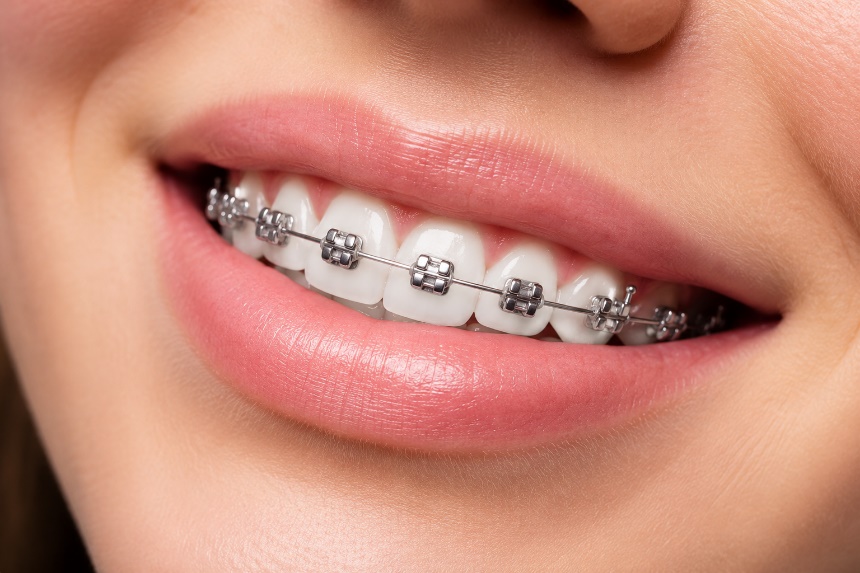
Braces move teeth through a system of brackets, wires, and gentle, controlled forces. A bracket is bonded to each selected tooth, and a thin archwire connects them. As the wire is changed or adjusted, it guides the teeth toward their planned positions.
Tooth movement is a biological process. Light pressure prompts the bone around a tooth to remodel gradually, letting the tooth move safely. That is why orthodontics takes time and why scheduled progress visits matter. More pressure does not mean faster or better treatment — carefully controlled movement is the goal.
What Problems Can Braces Correct?
- Crowded or overlapping teeth
- Gaps and uneven spacing
- Rotated or tipped teeth
- Overbites and deep bites
- Underbites
- Crossbites
- Open bites
- Teeth that shifted after prior orthodontic treatment
- Space management before bridges, implants, or cosmetic dentistry
Some bite problems involve the position of the teeth; others involve jaw growth or skeletal relationships. After reviewing your bite and diagnostic records, Dr. Maxson can explain what braces can reasonably achieve and whether another form of care or specialist collaboration is advisable.
Metal Braces: Strong, Efficient, and Proven
Traditional metal braces are made from durable stainless steel. Modern brackets are smaller, smoother, and less bulky than the braces many adults remember from childhood, and they remain a dependable choice for children, teens, and adults.
Advantages of Metal Braces
- Excellent control across a wide range of tooth movements
- Durable materials that tolerate everyday wear
- Often the most cost-conscious fixed treatment option
- No removable tray to remember to put back in
- Colored elastic choices that can make treatment fun for younger patients
Metal braces are often recommended when treatment calls for significant rotations, vertical movement, bite correction, or consistent force that should not depend on patient wear time. They can also be practical for younger patients who may not wear aligners for the required number of hours each day.
Clear Ceramic Braces: A Less Noticeable Fixed Option
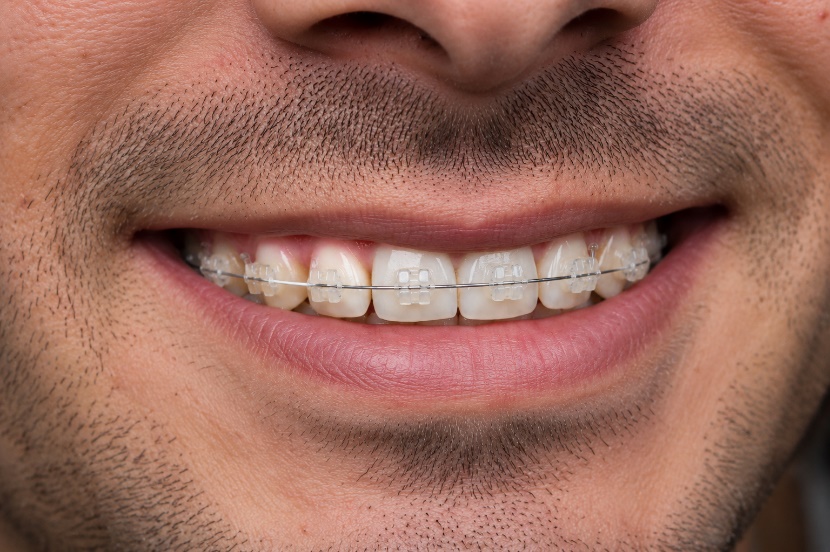
Clear braces use tooth-colored or translucent ceramic brackets. They straighten teeth with the same bracket-and-wire mechanics as metal braces, but the brackets blend more naturally with the teeth. That makes them popular with adults, professionals, performers, and older teens who want fixed treatment without a prominent metallic look.
Advantages of Clear Braces
- More discreet appearance than stainless-steel brackets
- Fixed to the teeth, so treatment does not depend on tray wear
- Useful for many cases involving crowding, spacing, and bite concerns
- A potential middle ground between metal braces and removable aligners
Ceramic brackets are strong but somewhat more brittle than metal. Clear or tooth-colored elastic ties can also pick up color from coffee, tea, curry, tomato sauce, dark soda, or tobacco. The brackets themselves resist staining better than the small elastic ties, which are replaced at each adjustment visit.
Metal Braces vs. Clear Braces
| Feature | Metal Braces | Clear Ceramic Braces |
|---|---|---|
| Appearance | Visible stainless steel | Tooth-colored or translucent |
| Durability | Highest durability | Strong but somewhat more brittle |
| Complex cases | Excellent range and control | Suitable for many cases; case selection matters |
| Staining | Brackets do not stain | Elastic ties may discolor |
| Typical fit | All ages; active lifestyles; complex movement | Older teens and adults seeking discretion |
| Relative fee | Often lower | Usually somewhat higher |
Are Traditional Braces Better Than Clear Aligners?
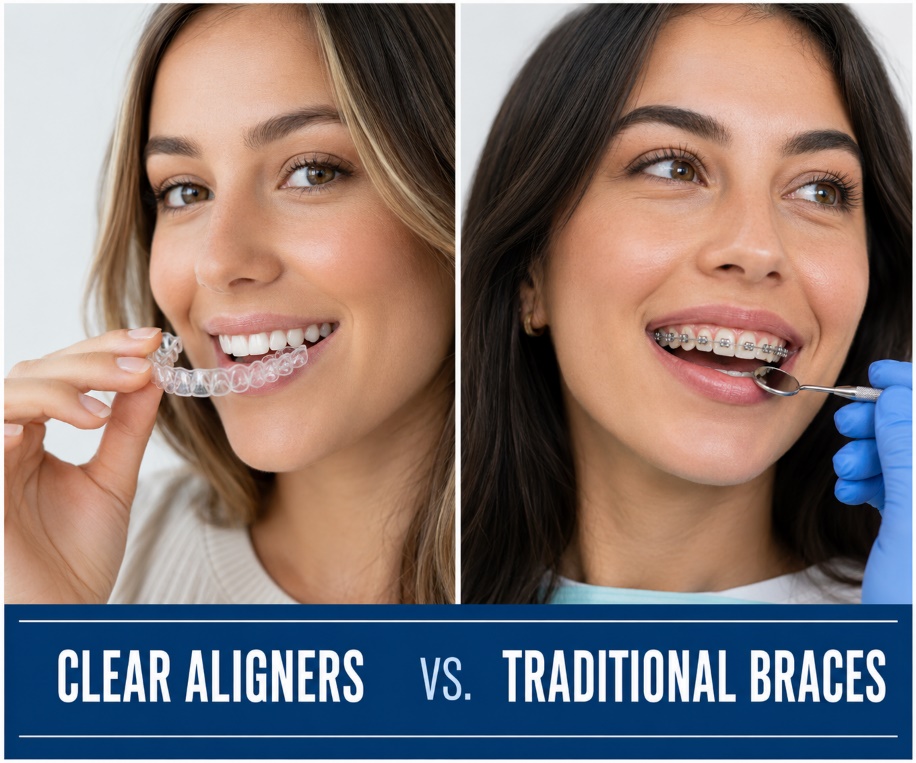
Braces are not universally better, but they offer real advantages in selected cases. Because they stay attached, they work continuously and do not depend on a patient remembering to wear them, and brackets and wires give the dentist direct control over individual teeth in three dimensions. For significant bite problems — severe crossbites, major jaw discrepancies, or complex tooth movements — braces may provide greater control and precision. In some cases, additional appliances, growth-guidance treatment, or corrective jaw surgery may also be recommended for the healthiest, most stable result.
Clear aligners may be preferable for patients who prioritize appearance, easy brushing and flossing, and removing the appliance for meals — though aligners must be worn consistently, and some complex movements are more predictable with fixed braces. For a detailed comparison, visit our clear aligners and Invisalign in San Jose page.
Early Orthodontic Evaluation and Treatment
Dr. Maxson believes that evaluating a child’s bite while the jaws are still developing can help keep small concerns from becoming more complicated orthodontic problems. The American Association of Orthodontists recommends an initial orthodontic evaluation by age seven, once enough permanent teeth have erupted to assess jaw growth, tooth spacing, and developing bite relationships.
Early evaluation does not automatically mean early treatment. In many cases, Dr. Maxson simply monitors the child’s growth and recommends treatment only when the timing offers a meaningful advantage.
Two-Phase Orthodontic Treatment
For selected children, treatment may be completed in two carefully timed stages that work with natural growth and dental development.
Phase One: Guiding Growth and Creating Space
The first phase focuses on developing jaw relationships, improving the bite, and creating room for permanent teeth. Appliances may guide growth or expand the dental arches, potentially reducing crowding and lowering the chance that healthy premolars will need to be removed solely to create space. Early intervention may also help preserve a fuller, more balanced facial profile.
Observation Period: Allowing Development to Continue
After Phase One, Dr. Maxson monitors the eruption of the remaining permanent teeth and the child’s continued facial growth. A retainer or space-maintaining appliance may be recommended during this period.
Phase Two: Refining the Smile and Bite
Once most permanent teeth have erupted, Dr. Maxson evaluates whether additional treatment is needed. When appropriate, braces or clear aligners refine tooth positions, improve bite relationships, and complete the smile. Early treatment is not necessary for every child — the goal is to intervene only when it may simplify future care, improve function, or support healthier jaw and facial development.
Braces for Teens
The teenage years are a common time for orthodontic treatment because many permanent teeth have erupted and jaw growth is well underway. Braces can be especially useful for teens who need complex correction or may struggle to wear removable aligners consistently.
Parents often ask whether treatment will interfere with school, sports, music, or social activities. Most teens adapt quickly. Athletes can keep playing with a braces-compatible mouthguard, and musicians who play brass or woodwind instruments may need a short adjustment period but usually continue successfully.
Braces for Adults
Adults increasingly choose braces to correct long-standing crowding, shifting after earlier treatment, or bite problems that affect function and appearance. Clear ceramic braces can make fixed treatment less noticeable in professional and social settings.
Adult orthodontic care sometimes needs coordination with periodontal therapy, crowns, implants, or cosmetic dentistry. One advantage of orthodontic care in a comprehensive dental practice is that tooth movement can be planned as part of the larger restorative and oral-health picture.
What Does Getting Braces Feel Like?
Placing braces usually does not require shots, and bonding the brackets is generally comfortable. Afterward, most patients notice pressure or tenderness for several days, and similar mild soreness can follow adjustments. Soft foods, orthodontic wax, warm salt-water rinses, and appropriate over-the-counter pain relief make the transition easier.
The cheeks and lips may also need time to adapt to the brackets. Modern brackets are smoother than older designs, and irritation usually improves as the mouth adjusts.
Eating with Braces
Braces do not require a joyless diet, but they do require common sense. Hard, sticky, and very chewy foods can bend wires or loosen brackets. Avoid chewing ice, hard candy, popcorn kernels, and sticky caramels, and cut apples, carrots, and crusty bread into smaller pieces rather than biting straight in. A broken bracket is rarely an emergency, but repeated breakage can slow treatment, so following food guidelines helps keep your plan on schedule.
How to Keep Teeth Clean with Braces
Brackets create extra places where plaque and food can collect. Careful home care is essential, because orthodontic appliances do not cause cavities or gum disease — plaque left around them does.
- Brush around the gumline, above and below each bracket, and along the chewing surfaces.
- Use floss threaders, orthodontic floss, interdental brushes, or a water flosser as recommended.
- Rinse after meals when brushing is not immediately possible.
- Continue regular professional cleanings and dental exams.
- Limit frequent sugary or acidic snacks and drinks.
How Long Does Braces Treatment Take?
Many comprehensive cases take about 12 to 24 months, though treatment can be shorter or longer. Timing depends on the starting position of the teeth, bite complexity, growth, biological response, broken appliances, missed appointments, and how closely instructions are followed. Dr. Maxson provides a personalized estimate after reviewing your records.
How Much Do Braces Cost in San Jose?
Braces fees vary with the complexity and length of treatment, the type of brackets chosen, and what is included in the plan. The preliminary range for this practice is $6,500–$7,500. Clear ceramic braces may cost more than metal braces because of material and handling differences.
Orthodontic benefits are often separate from routine dental insurance and may carry a lifetime maximum. Calm Dental Care can review your benefits and explain your options — payment plans and in-office financing are available. We confirm your individual plan before quoting any specific insurance percentage.
What Happens After Braces Come Off?
Removing the brackets is an exciting milestone — but it is not the end of orthodontic care. Teeth naturally tend to shift, especially in the months after active movement, and retainers help stabilize the result while the surrounding bone and tissue adapt. Retainer type and wear instructions vary; many patients begin with more frequent wear and transition to nighttime use. Long-term retainer wear is usually the best protection against relapse.
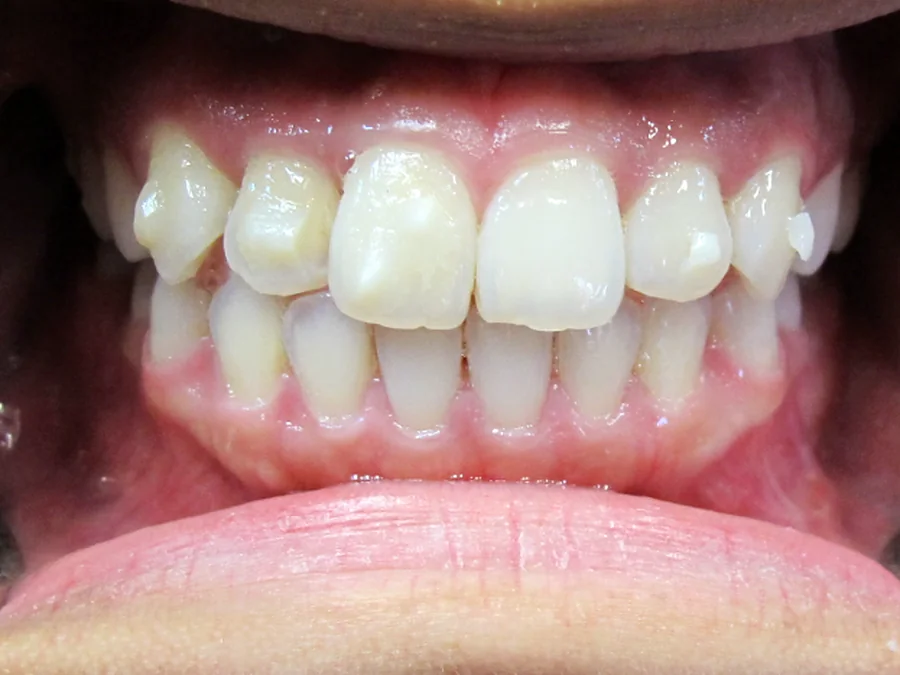
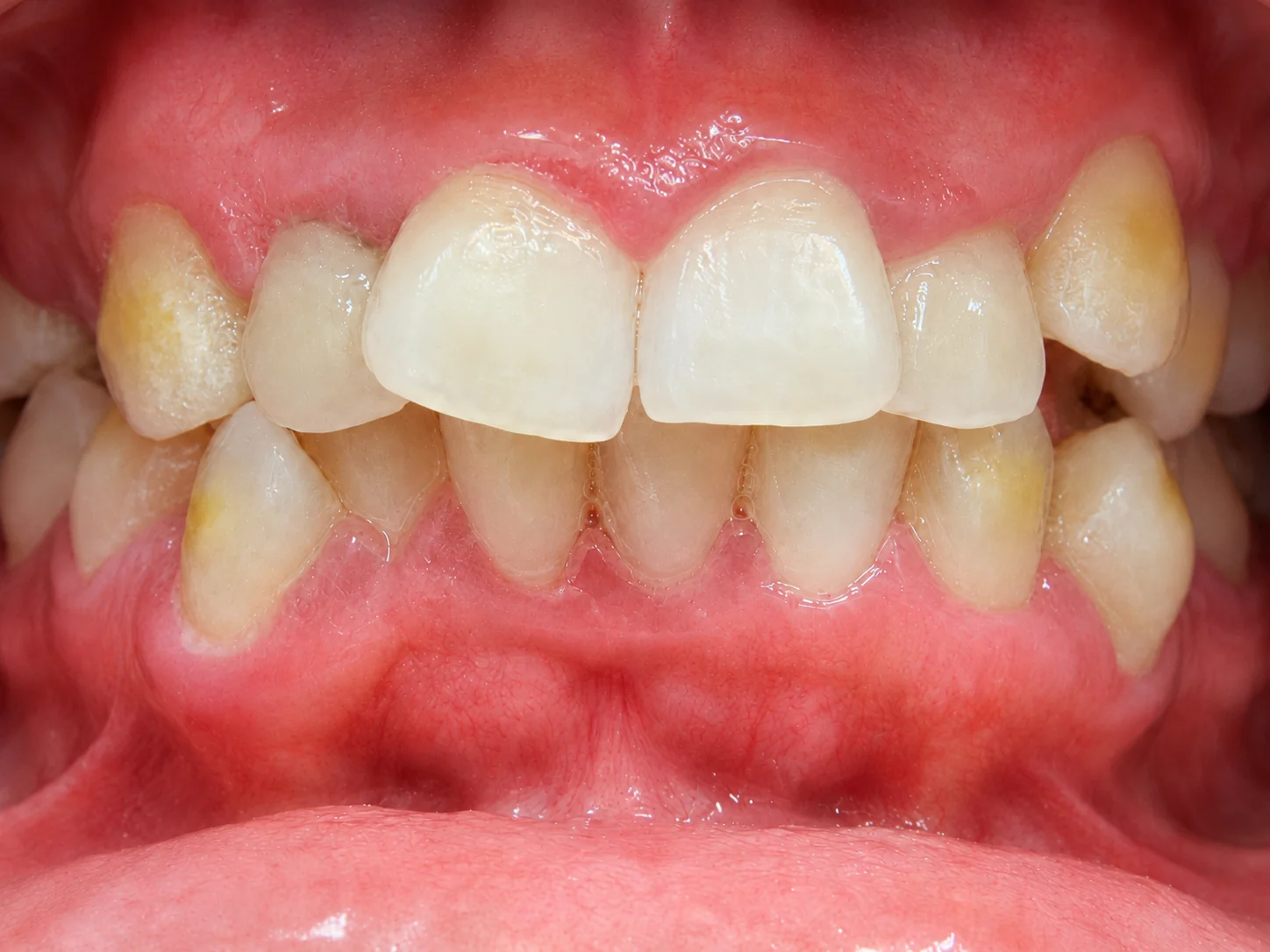
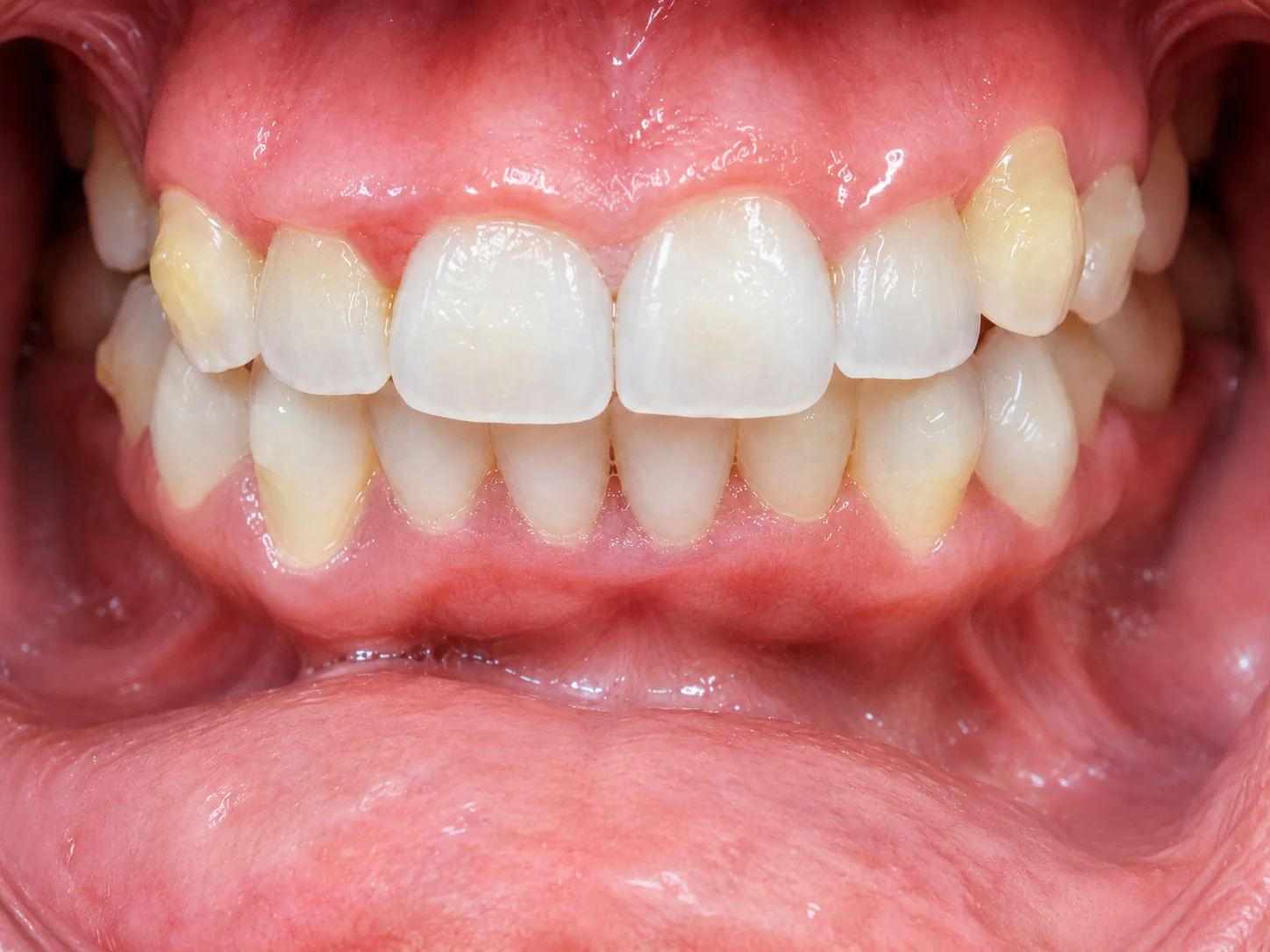
Before and After: Orthodontic Results
Real patients of Dr. Maxson, shown with permission. Individual results vary.
Anterior Crossbite Correction
Anterior Crossbite Correction—using Clear Aligners
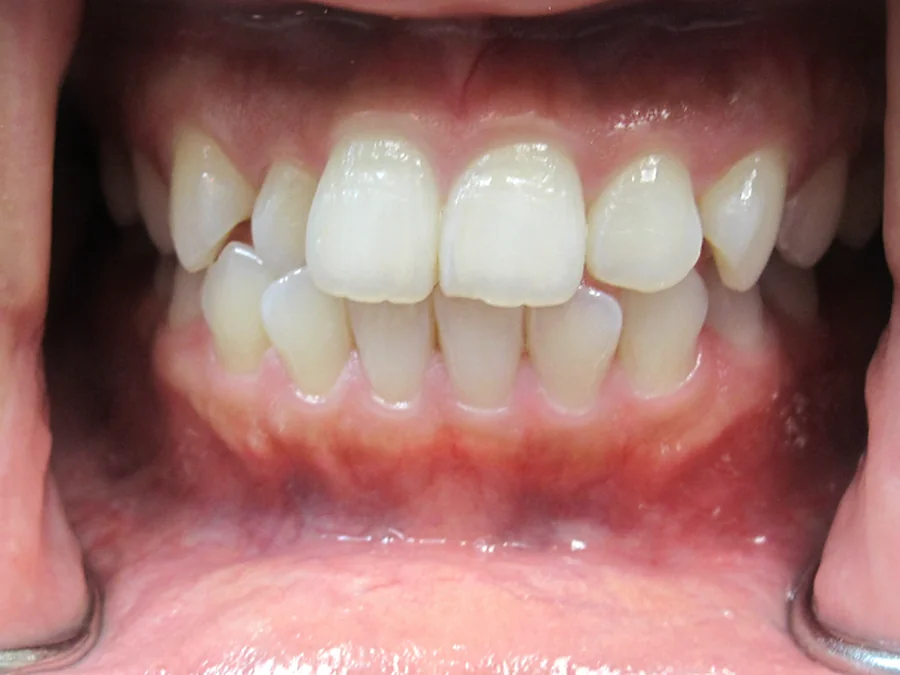
Crowding Correction
Crowding Correction—using Traditional Braces
Frequently Asked Questions About Braces
Do braces hurt?
+
Braces usually cause pressure or tenderness rather than sharp pain. Soreness is most noticeable in the first few days after placement and for a day or two after some adjustments.
Are clear braces as effective as metal braces?
+
For many patients, yes. Both use brackets and wires. Metal may be preferable for certain complicated movements or patients who need maximum durability.
Can adults wear braces?
+
Absolutely. Healthy teeth can often be moved at almost any age. Adult treatment may require closer coordination with gum or restorative care.
Will braces affect speech?
+
Most patients have little or no speech change. The lips and tongue may need a few days to adapt to the appliances.
Can I play sports with braces?
+
Yes. A braces-compatible mouthguard is recommended for contact and collision sports.
Can I whiten my teeth while wearing braces?
+
It is generally better to wait. Brackets cover part of each tooth, so whitening during treatment can produce uneven color.
What should I do if a bracket breaks?
+
Call the office for guidance. If nothing is painful, it can often be addressed at a scheduled or earlier repair visit. Use orthodontic wax over any irritating area.
Do I still need dental cleanings?
+
Yes. Regular preventive care is especially important during orthodontic treatment.
Schedule a Complimentary Braces Consultation in San Jose
Choosing between metal braces, clear ceramic braces, and aligners starts with an accurate diagnosis — not a sales pitch. Braces can do more than straighten teeth. With the right diagnosis and treatment plan, they can also improve your bite, function, oral health, and confidence.
During your no-obligation consultation at Calm Dental Care, Dr. Maxson will evaluate your teeth, bite, jaw relationships, and overall oral health. He will explain the orthodontic options that may be appropriate for you or your child and answer your questions without pressure. Meet Dr. Douglas Maxson, or learn more about orthodontics at Calm Dental Care.
Schedule your braces consultation with Dr. Maxson today and take the first step toward a healthier bite and a smile designed to last.
Request a complimentary consultation
Meet Dr. Maxson, review your bite, and learn which option offers the best mix of health, predictability, appearance, and value.
Book My Free ConsultationNot sure which option fits?
Ask us your questions first — the consultation is complimentary and there’s no obligation.
Ask a QuestionPrefer to talk?
Call Calm Dental Care at (408) 996-0176 or request an appointment online.
Call (408) 996-0176Author / provider: Douglas R. Maxson, DDS, Calm Dental Care, San Jose, CA · Clinically reviewed by: Douglas R. Maxson, DDS · Last updated: October 1, 2026